
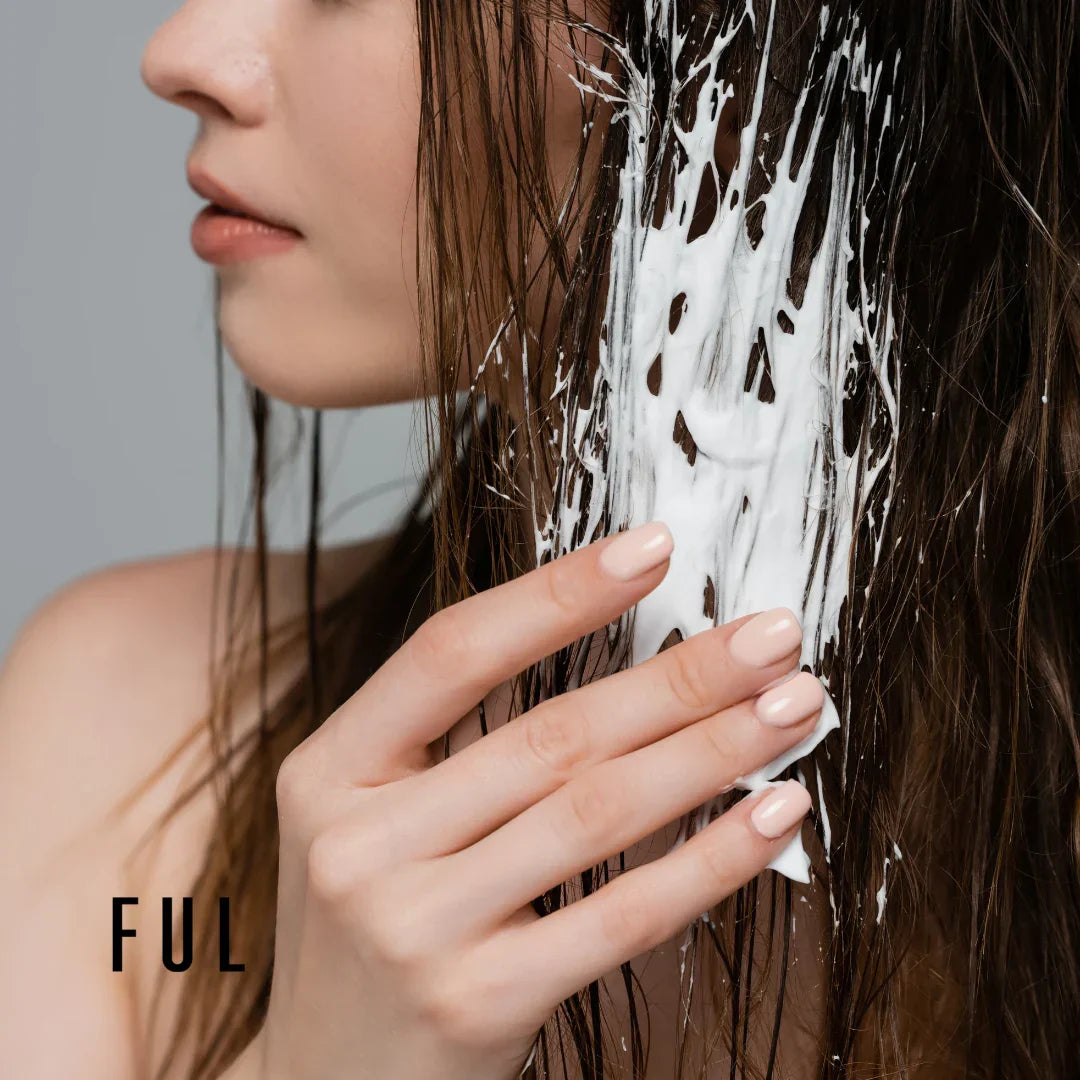
You should use a hair mask once a week to maintain healthy, nourished hair, as this frequency is sufficient for most people to achieve consistent hydration and nourishment. However, individuals with dry, color-treated, or damaged hair should apply a hair mask 2-3 times a week to restore moisture and repair damage more effectively. In contrast, those with fine or oily hair only need to use a mask every two weeks to avoid excess buildup and prevent the hair from becoming weighed down.
The frequency of hair mask application should be adjusted based on how your hair responds to the mask. While regular use helps improve texture, manageability, and overall hair health, overuse on fine or oily hair can lead to product buildup, making the hair feel weighed down. It is important to monitor how your hair reacts and adjust accordingly to ensure optimal results, such as increased moisture, improved strength, and reduced frizz.
How Many Times Should You Use A Hair Mask?
You should use a hair mask once a week to maintain healthy, nourished hair if you have normal, damage-free, and chemically untreated hair. However, individuals with dry, color-treated, and damaged hair need 2-3 intense-moisture hair mask applications per week to restore moisture and repair damage because these hair types are more prone to dehydration and breakage. In contrast, individuals with fine or oily hair only need to apply a hair mask once every two weeks because these hair types already have enough natural oils, and excessive use can lead to product buildup, making the hair feel greasy or weighed down.
Can You Use Hair Masks Every Day?
No, using a hair mask every day can lead to over-moisturizing or weight buildup on the hair. While hair masks provide intensive nourishment, applying them too frequently can result in greasy or limp hair, especially for those with normal to oily hair.
For individuals with dry, damaged, or brittle hair, using a hair mask 2 to 3 times per week is enough to provide enough hydration and nourishment for hair health and damage repair. While daily treatments may seem like a quick fix, overusing hair masks, even for those with very dry hair, can have diminishing returns, so finding the right balance is key.
Can You Use a Hair Mask Twice A Week?
Yes, using a hair mask twice a week can be beneficial, particularly for individuals with dry, color-treated, or damaged hair, especially after heat styling or chemical treatments. This frequency helps restore moisture, repair damage, and improve texture, providing deeper nourishment than regular conditioner alone.
However, individuals with fine or oily hair must stick to one hair mask every two weeks because their scalps already produce enough natural oils, and using a mask too often can make the hair feel greasy. In such cases, it is better to limit mask use to once every two weeks or adjust based on how the hair feels after each application.
When Should You Use A Hair Mask?

You should use a hair mask when you have dry, damaged, oily, or frizzy hair, and if you have blonde hair, you need to apply masks more often. Each of these hair concerns and types requires a slightly different approach to ensure sufficient moisture, enhanced shine, improved texture, and healthier hair.
-
When you have Dry Hair:
If your hair feels dry, brittle, dull, and prone to split ends, you need to start using hair masks 2 to 3 times a week to restore hydration and moisture balance. This will help make your hair feel softer, smoother, and more manageable. To keep your hair moisturized and less prone to breakage, using hair masks with hydrating ingredients like coconut oil, shea butter, and glycerin will provide deeper nourishment. -
When you have Damaged Hair:
When damaged strands become noticeable after using chemical treatments or excessive heat styling, it is best to start applying a hair mask 2 to 3 times a week. This helps repair the hair structure and provides the nourishment needed to restore strength and elasticity. For best outcomes, use hair masks containing proteins, keratin, collagen, and soy amino acids that are helpful in reducing breakage and enhancing resilience. -
When you have Blonde Hair:
If you have blonde hair, especially if it is bleached or color-treated, you should use hair masks 1 to 2 times a week to keep it hydrated and vibrant. Frequent use helps neutralize any brassiness, provide deep hydration, and protect the color. Masks formulated for blonde hair may contain honey, aloe vera, glycerin, shea butter, and coconut oil, which not only hydrate but also enhance vibrancy and softness. -
When You Have Oily Hair:
For oily hair, applying a hair mask every two weeks is the most effective way to balance sebum production without weighing the hair down. Overuse can lead to product buildup, so it is important to use a lighter mask with ingredients like glycerin or aloe vera, which hydrate without overloading the scalp. A charcoal-infused hair mask is also an excellent choice as it helps clean grease and absorb excess product buildup, keeping the hair clean, fresh, and light. -
When You Struggle with Frizzy Hair:
If your hair is prone to frizz, start using a hair mask 1 to 3 times a week to smooth the hair cuticle and lock in moisture. Frizz is often caused by dehydration, and masks with ingredients like honey, glycerin, and shea butter provide the hydration needed to reduce frizz, leaving the hair soft, shiny, and more manageable. These ingredients nourish the hair and help control the frizz, especially in humid conditions.
What Do Hair Masks Do?
Hair masks offer deep nourishment and intensive treatment for your hair to address specific issues like dryness, damage, and lack of shine. They deliver concentrated nutrients to restore and nourish hair better than regular conditioners, providing more effective and targeted care. A proper breakdown of the benefits of using hair masks is given below.
- Provides Intense Moisture And Hydration: Oils and butters deeply moisturize the hair, restore softness, and make it more manageable while preventing dryness.
- Repairs And Reverses Damage From Styling And Chemical Treatments: Masks with proteins and vitamins reverse damage done by heat styling, chemical treatments, or environmental factors.
- Restores Shine And Vitality To Dull Hair: Rejuvenate dull and lifeless hair by adding moisture and enhancing its natural shine, making hair vibrant, glossy, and improving texture.
- Strengthens Hair And Reduces Breakage: Keratin, collagen and proteins fortify the hair shaft to reduce breakage, increase elasticity, and strengthen the hair, making it less prone to damage from brushing or styling.
- Soothes And Balances Scalp Health: Soothe irritation and balance the scalp’s oil production. Aloe vera and charcoal help cleanse the scalp, while hydrating it to promote overall scalp health and prevent dryness or itchiness.
How Long To Leave A Hair Mask On?
You should leave hair masks on for 5 to 20 minutes, depending on your hair type, the product used, and the scalp condition. For normal, healthy hair, 5-10 minutes is sufficient to provide light hydration and nourishment, whereas for fine or oily hair, 5 minutes is ideal to avoid weighing the hair down. In contrast, individuals with dry hair must leave the mask on for at least 10 to 15 minutes so it is absorbed effectively for proper moisture restoration. Damaged and dry hair require even longer, typically around 15-20 minutes for providing more intensive repair. The duration also depends on the ingredients of the mask, so always follow the product's guidelines to ensure the best results.
How Long Does A Hair Mask Last?
The results of a hair mask typically last for 2 days to 1 week, depending on your hair type and the specific mask used. After this period, the immediate benefits such as hydration, shine, and smoothness gradually diminish, so consistent use is essential to maintain these effects, especially for dry, damaged, or frizzy hair. For damaged hair, deeper treatments tend to last longer before requiring another application. Over time, regular use helps prolong the positive effects, providing long-term improvements in moisture retention, damage repair, and frizz control.
How To Use a Hair Mask?
To properly apply a hair mask, start by washing your hair with shampoo to remove dirt and buildup, which allows for better absorption. After shampooing, gently towel-dry your hair until it is damp but not soaking wet. Next, apply the mask evenly from the mid-lengths to the ends, focusing on areas that are driest or most damaged while avoiding the roots unless specified by the product. To ensure even distribution, use your fingers or a wide-tooth comb to smooth the mask through the hair. Finally, follow the recommended leave-in time based on your hair type and the product instructions, usually 5 to 30 minutes, to allow the mask to work effectively.
Do You Use Conditioner After Hair Mask?
No, in most cases, you do not need to use conditioner after applying a hair mask, as the mask itself provides all the conditioning benefits your hair needs. Hair masks are formulated with more concentrated nourishing and hydrating ingredients than regular conditioners, making additional conditioning unnecessary for most people. However, individuals with extremely dry or damaged hair may choose to use a conditioner after the mask for extra moisture, but this is optional and should be based on hair condition.
FAQs
Can You Put Hair Mask on Dry Hair?
No, you can not put a hair mask on dry hair, as it may not absorb properly. Hair masks work best on damp hair, which helps the ingredients penetrate the strands more effectively.
How Many Hair Masks Per Week?
Using a hair mask once a week is sufficient for most people. However, if you have dry or damaged hair, 2-3 times a week may be necessary for deeper hydration and repair.
Does A Hair Mask Really Work?
Yes, a hair mask is highly effective when used at the right intervals based on your hair type. It provides intense nourishment, moisture, and repair, improving hair health and texture over time.
Should I Shampoo After Hair Mask?
No, you do not need to shampoo after using a hair mask because shampooing can strip away the benefits of the mask. But if your hair feels weighed down, you can rinse lightly with a mild shampoo.