
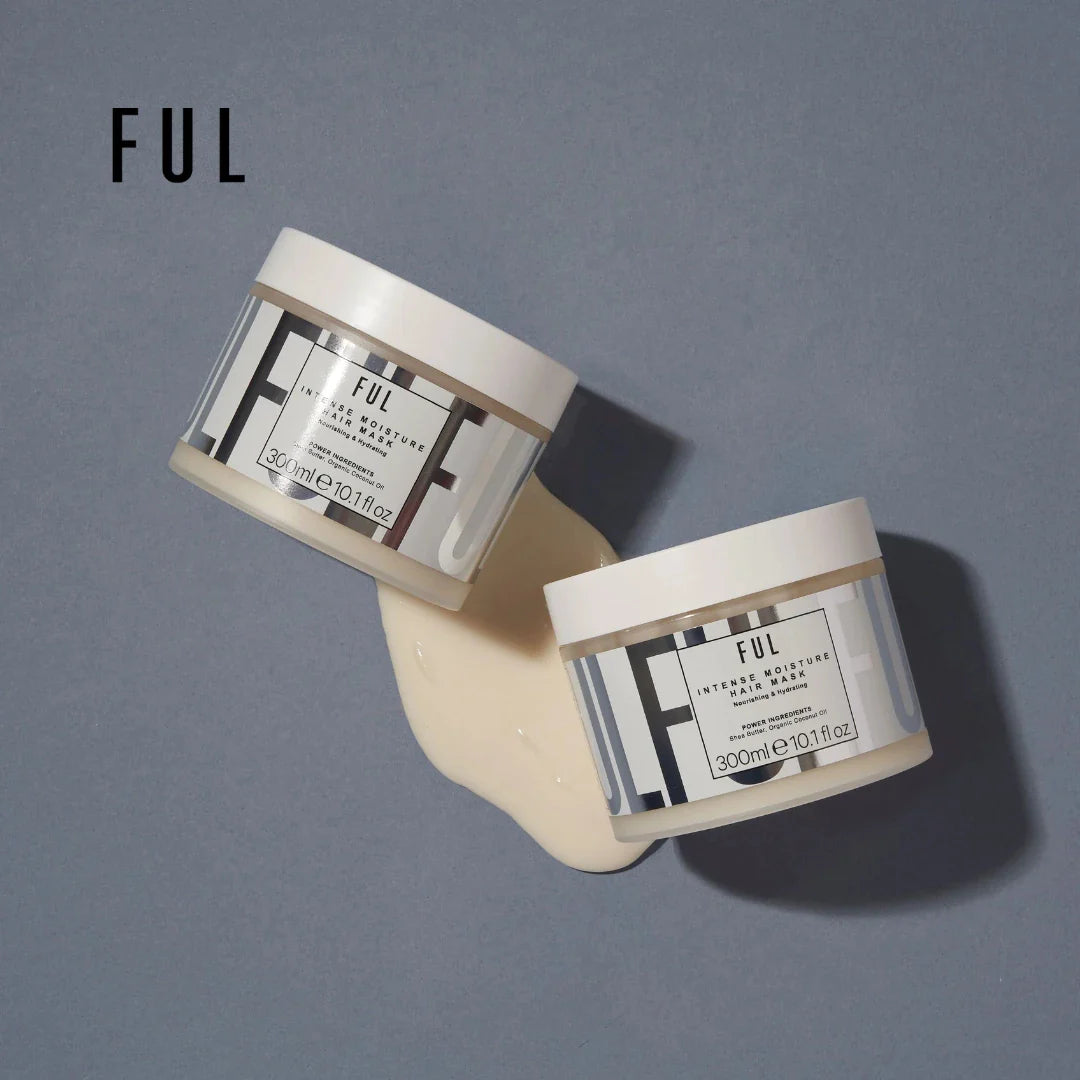
Hair masks nourish, hydrate, and repair dry hair, providing deep conditioning that regular conditioners cannot achieve. These treatments penetrate deeply into the hair shaft to restore moisture, improve texture, increase flexibility, and strengthen strands. By incorporating hair masks into your hair care routine, you can achieve softer, smoother, and healthier hair while reducing frizz, breakage, and split ends.
Formulated with powerful ingredients, hair masks contain nourishing oils like coconut oil, which hydrates and strengthens hair, and argan oil, which improves shine and protects against damage. Other ingredients, such as shea butter and honey, deeply moisturize and soothe the hair. These ingredients not only restore moisture but also provide essential nutrients that help rebuild and strengthen dry, damaged hair, giving it a healthier, more vibrant look.
If your hair suffers from rough texture, frizz, and split ends frequently, hair masks can become a helpful addition to your routine. These treatments work to address these concerns, providing targeted care that restores your hair’s natural beauty and health.
Intensive Hydration
Hair masks provide deep, intensive hydration to dry hair by penetrating the hair shaft to restore moisture. They contain coconut oil, whose low molecular weight allows it to deeply penetrate and nourish the hair, rather than just coating it. This keeps the hair hydrated not only on the surface but also moisturizes it from within, making it softer, smoother, and more manageable. In addition to oils, humectants like honey and glycerin attract moisture from the air and lock it into the hair, while avocado oil, shea butter, and wheat proteins seal moisture and protect the hair from environmental damage by repairing the outer cuticle layer.
Thicker than regular conditioners, hair masks are designed for longer application, providing intense, restorative conditioning. They are rich in nourishing nutrients like bananas, eggs, magnesium, and vitamins E and B, which support scalp health and strengthen hair follicles. These ingredients, found in an intense moisture hair mask, ensure long-lasting hydration, making hair healthier, softer, and more manageable.
Frizz Control
Raised hair cuticles are the major reason for frizz, and hair masks address this by deeply hydrating the hair and smoothing the outer layer. When hair is dry, the cuticle lifts in an attempt to absorb moisture from the air, leaving the hair looking rough, uneven, and frizzy. Hair masks help to seal the lifted cuticle by locking in moisture, which flattens the cuticle and reduces the uneven texture and frizz.
Hair masks contain coconut oil, argan oil, and shea butter, which work to hydrate and nourish the hair, while proteins and fatty acids repair and strengthen the hair shaft. This combination of moisture and repair helps reduce breakage that may worsen frizz, and leaves the hair looking sleek, smooth, and more manageable. With regular use, hair masks serve as effective frizz hair treatments that create a protective barrier to shield the hair from humidity and environmental factors, giving a frizz-free finish.
Improve Hair Texture
Hair masks can greatly improve rough, coarse hair texture by deeply penetrating the hair shaft to deliver concentrated moisture, proteins, and oils. They contain ingredients like keratin and proteins that repair damage by filling gaps in the cuticle and improving the strand’s elasticity. Meanwhile, coconut oil and shea butter hydrate and nourish, transforming dry, brittle hair into soft, smooth strands. These ingredients help restore the hair’s natural texture, making it more manageable and reducing frizz.
Avocado oil and jojoba oil further hydrate and smooth hair cuticle to enhance shine and softness, while hyaluronic acid attracts moisture, which helps to make hair appear fuller. These combined effects give the hair a sleek finish while preventing further damage and breakage. When used consistently, hair masks can significantly improve hair texture, leaving it softer, healthier, and more manageable over time.
Strengthens Hair and Reduces Breakage
Effective hair masks can strengthen hair and reduce breakage by delivering essential proteins and nutrients that restore hair health from within. They provide a higher concentration of keratin, vitamins A, C, and E, nourishing oils (coconut, argan, and avocado), and shea butter. These ingredients deeply penetrate the hair shaft and fill the gaps in the cuticle, improving elasticity and sealing split ends. This deep nourishment helps prevent hair from becoming brittle and snapping, making it more resilient to heat or chemical styling.
Regular use of hair masks increases your hair's elasticity, softness, and overall resilience. The deep hydration from oils and butters, combined with the strengthening effects of keratin and vitamins, works together to reduce breakage and split ends, making your hair less prone to damage. This regular treatment keeps your hair strong, healthy, and capable of handling the stress from heat styling, chemical treatments, and everyday wear and tear.
Restores Shine and Luster
Hair masks restore shine and luster by deeply hydrating the hair and smoothing the cuticle to reflect light better. Dry, damaged hair often lacks shine because the cuticle becomes rough and uneven, causing light to scatter instead of reflecting properly. When a hair mask is applied, it replenishes moisture and essential nutrients, making the cuticle smoother and allowing light to reflect more evenly, which gives the hair a glossy appearance.
Ingredients like argan oil, coconut oil, and shea butter nourish the hair with essential fatty acids and Vitamin E that lock in moisture and improve shine. These ingredients lock in moisture effectively, ensuring that the hair remains smooth and glossy without looking weighed down or greasy. When hair masks and hair shine products are used at the right intervals, they can revive the hair's natural luster and make it softer, shinier, and more vibrant.
Repairs Damaged Hair
Dryness is often caused by damaged hair, which can be healed by using keratin-infused hair masks that allow keratin to penetrate the hair shaft. Keratin, the protein that naturally makes up hair, is infused into the strands, filling gaps in the cuticle and smoothing the surface. This restores strength and elasticity, helping to reduce breakage and frizz.
Aside from keratin, these masks also deliver deep conditioning with concentrated oils, butters, and proteins, allowing them to soak deeper into the hair fibers than regular conditioners. Moisturizing oils like argan and jojoba hydrate and nourish the hair, while proteins such as hydrolyzed silk smooth and strengthen it. Some advanced masks also contain AHAs (Alpha Hydroxy Acids) that repair internal hair bonds, sealing the cuticle and locking in moisture. When applied once a week or every two weeks, hair masks revitalize the hair, leaving it softer, shinier, and more resilient.
Promotes Scalp Health
Dry scalp is often itchy and inflamed, and hair masks can soothe these sensations by balancing oil production, delivering deep hydration, and helping to exfoliate buildup. Their tiny molecules allow nourishing ingredients like aloe vera, tea tree oil, and charcoal to penetrate deeply into the scalp, cleansing impurities and creating an optimal environment for healthy hair growth.
Tea tree oil and peppermint oil in hair masks reduce inflammation and calm irritation, while aloe vera and charcoal detoxify the scalp by removing impurities and restoring moisture balance. These ingredients also help clear blockages from the follicles, allowing them to function properly. This combination of soothing and cleansing properties creates a healthier scalp, which is essential for growing stronger, shinier hair. Through regular hair mask use, individuals with dry hair can address dandruff, itching, and sensitivity, leading to fuller, more manageable hair.
4 Types of Hair Masks for Dry Hair
Choosing the right hair mask for dry hair depends on your hair's specific conditions and needs. Different masks target concerns like moisture restoration, protein repair, and frizz control. By selecting the right mask, you can directly address the root causes of dryness and improve the texture, strength, and health of your hair. For targeted solutions, you can find a range of hair care products for dry hair that offer specialized care for your hair’s unique issues.
- Intense Moisture Masks: These masks are ideal for general dryness, dullness, and lack of softness. Ingredients like shea butter, argan oil, coconut oil, honey, glycerin, avocado oil, and sea kelp provide deep hydration and restore moisture to dry hair, making it softer, shinier, and rejuvenated.
- Hair Repair Masks: Perfect for heat-damaged, color-treated, chemically processed, and brittle hair, these contain peptides like K18 for molecular repair, as well as proteins, oils, and amino acids. These ingredients work to rebuild and strengthen broken bonds, reduce frizz, and add shine, ultimately restoring the strength and health of damaged strands.
- Strengthening Masks: These hair masks help reduce breakage and improve elasticity, making them ideal for fragile hair. Packed with keratin, collagen, biotin, plant proteins, and bamboo fibers, they reinforce the hair shaft, resulting in stronger, more resilient hair.
- Overnight Treatments: Leaving these treatments overnight provides intense moisture to dry hair while you sleep, leaving it deeply nourished and restored by morning. Applying these masks before sleeping allows your hair to absorb nutrients and hydration throughout the night, meaning you will wake up to softer and more manageable hair.
How to Apply Hair Masks on Dry Hair for Maximum Effect?
To get the most out of your hair mask, it’s important to follow the proper application steps. A clean scalp and damp hair ensure the mask can penetrate deeply and work effectively, giving you the best results.
Step-by-step application of hair masks for dry hair:
- Shampoo Your Hair: Start by shampooing your hair to cleanse your scalp and remove any buildup. This cleans blockages from your hair and scalp, allowing the mask to penetrate better and work more effectively.
- Gently Towel Dry: After washing, gently towel-dry your hair until it is damp. It’s best to use a microfiber towel, as it’s gentle on your hair. Hair masks penetrate more deeply when the hair is damp, rather than wet or dry.
- Apply the Mask: Focus on applying from mid-lengths to ends of your hair, as these areas are usually the most damaged and dry. To distribute evenly, massage the mask downward with your fingers or use a wide-tooth comb.
- Leave the Mask On: Leave the mask on for 5 to 20 minutes, although it is always a good idea to check the instructions on the label for specific timing. For overnight masks, wrap your hair in a towel and leave it on while you sleep for maximum nourishment.
- Rinse Thoroughly: Rinse the mask out thoroughly with lukewarm water to remove excess moisturizing agents that could weigh down your hair.
Pro Tip: There is no need to apply conditioner after using a hair mask. The mask does the job of deeply conditioning and nourishing your hair by itself.
FAQ
How often should you use a hair mask for dry hair?
For dry hair, use a hair mask 2 to 3 times a week. Two times is usually enough to restore moisture and improve texture for most dry hair, but if your hair is extremely dry or damaged, you may benefit from using a mask 3 times a week.
Can a hair mask repair damaged hair?
Yes, hair masks can help repair damaged hair by delivering deep hydration, strengthening the hair shaft, and replenishing lost nutrients. Ingredients like keratin and proteins help rebuild the hair’s structure, while oils and butters provide moisture, improving the overall health and appearance of damaged hair over time.
How long should I leave a hair mask on dry hair?
Leave the hair mask on dry hair for 5 to 20 minutes to allow it to work effectively. For deeper nourishment, you can leave it on longer, usually around 30 minutes. If you are using an overnight treatment, leave it on until you wake up in the morning. For more specific timing instructions, check the label for recommendations based on the mask’s formula.
What's the difference between dry hair masks and frizzy hair masks?
Dry hair masks benefit by restoring moisture and repairing brittle hair from within, while the benefits of frizzy hair masks come from smoothing the surface of raised cuticles to flatten them. Dry hair masks contain lighter ingredients like coconut and avocado oils, shea butter, and lipids that seep into the scalp more easily, whereas frizz-control masks contain silicones and humectants (glycerin, aloe, or honey) that weigh down the hair to control frizz.