
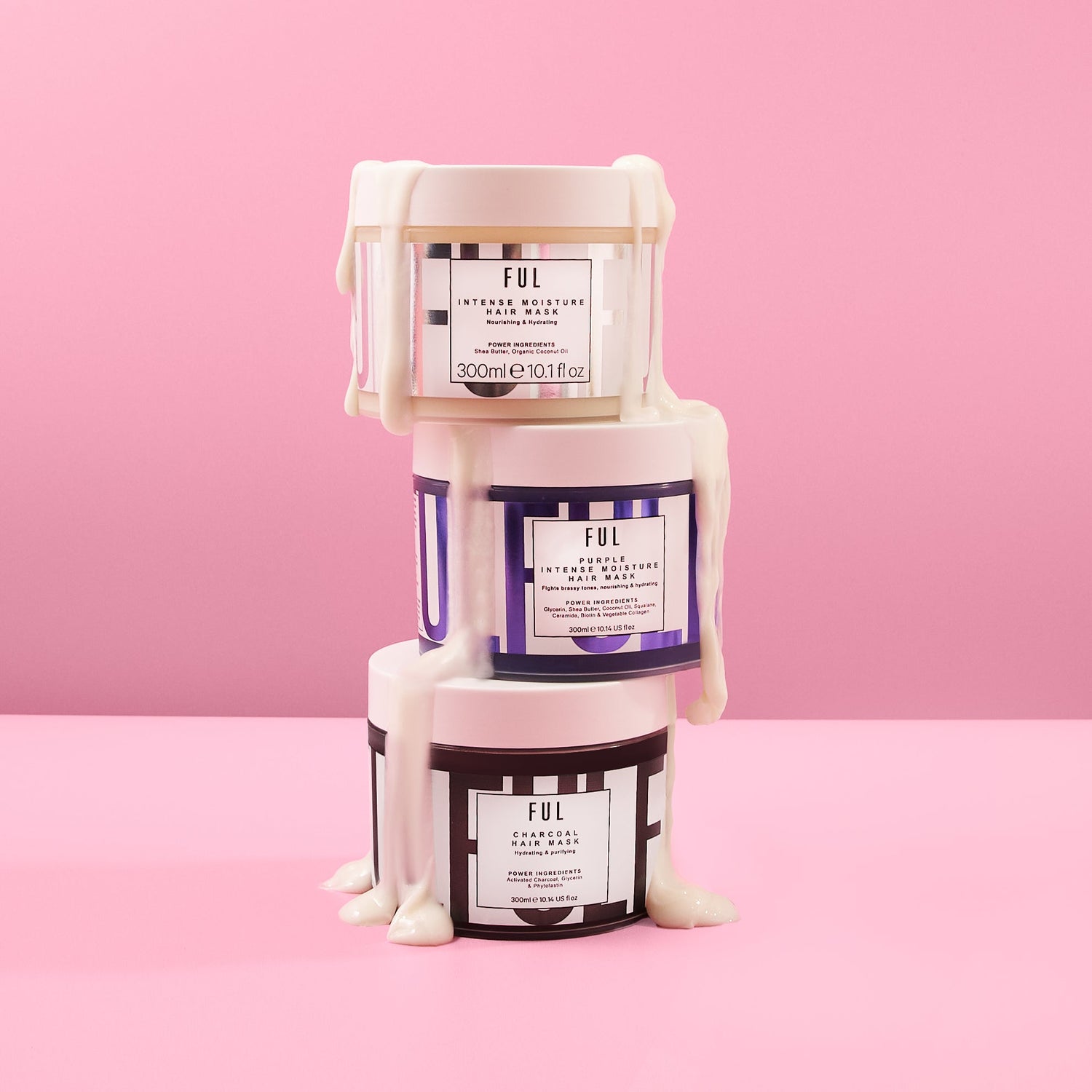
Choosing the right hair mask depends on several factors, including your hair type and specific concerns, such as dryness, damage, frizz, or fine texture. Hair masks are designed to provide deep nourishment, hydration, and repair, helping to restore your hair’s health and improve its appearance. However, each hair type requires a tailored hair mask, so understanding your hair’s unique needs is key.
For example, dry hair benefits from hair masks rich in hydrating ingredients like argan oil and shea butter, while damaged hair requires repair-focused masks containing keratin and proteins. Additionally, the right hair mask can offer multiple benefits, such as enhanced moisture retention, strengthened hair fibres, and improved texture. With the proper hair mask, your hair will feel softer, shinier, and more manageable, making it an essential part of your hair care routine.
How to Choose a Hair Mask Based on Hair Types?
To choose the right hair mask, match its ingredients and richness to your hair type, whether dry hair, damaged hair, or frizzy hair. If you have fine or oily hair, opt for lightweight, hydrating masks with ingredients like aloe or argan oil. For damaged hair, select bond-repairing masks with keratin or citric acid, whereas for oily scalps, use clarifying masks with charcoal, clay, or tea tree oil. Choosing the right hair mask according to hair type works in harmony to prolong hair texture, regardless of the hair type, texture and condition.
How Do You Choose a Hair Mask for Dry Hair?
When choosing a hair mask for dry hair, look for hair masks containing hydrators & emollients ingredients like shea butter, strengthening elements like keratin and soothing natural extracts like aloe vera. Argan oil and coconut oil deeply hydrate, while glycerin and honey help lock in moisture. Shea butter and avocado oil nourish and smooth the cuticle, preventing further dryness. Hyaluronic acid draws moisture into the hair and locks it in, while keratin strengthens and repairs dry strands. Silk proteins provide a smooth, shiny finish, enhancing hair health and reducing frizz. All of these ingredients help to restore moisture, balance, improve texture, and prevent further dryness.
How Do You Choose a Hair Mask for Damaged Hair?
For damaged hair, choose a repairing hair mask designed to restore strength and vitality. Look for ingredients like keratin, proteins, and biotin, which help rebuild the hair's structure. Keratin replenishes the protein lost from damaged strands, smoothing the cuticle and strengthening the hair. Proteins such as silk and wheat work to repair and reinforce the hair, while biotin helps reduce breakage and encourages hair growth. Together, these ingredients form a complete hair mask for damaged hair that improves texture, reduces damage, and promotes healthier hair overall.
How Do You Choose a Hair Mask for Oily Hair?
To choose a hair mask for oily hair, go for a lightweight, clarifying hair mask that removes excess oil without stripping moisture. Find a hair mask with ingredients like clay, charcoal, and tea tree oil, as they are perfect for absorbing hair oil and refreshing the scalp. Clay and charcoal help detoxify the scalp, while tea tree oil regulates hair oil production and has soothing properties. A charcoal hair mask can also help purify the hair and scalp, removing impurities without over-drying.
How Do You Choose a Hair Mask for Fine Hair?
When choosing a hair mask for fine hair, it is important to select a lightweight, volume-boosting formula that strengthens without weighing the hair down. Look for ingredients like biotin, collagen, and proteins, which can help add strength and fullness to fine hair strands. Biotin supports hair growth, while collagen enhances hair volume and thickness. Additionally, proteins help fortify the hair, reducing breakage and improving texture. Together, these ingredients form a complete package that a hair mask for fine hair that strengthens and volumises fine hair, leaving it thicker, fuller, and more resilient.
How Do You Choose a Hair Mask for Frizzy Hair?
For frizzy hair, focus on hair masks with ingredients like silicones, argan oil, and shea butter, which help seal the cuticle, lock in moisture, and create a smooth, frizz-free finish. Since fizzy hair requires a smoothing and hydrating hair mask to control flyaways and tame unruly strands, these ingredients act as the core. Silicones coat the hair, preventing hair frizz and adding shine, while argan oil and shea butter deeply nourish the hair, reducing dryness and frizz. Also, choose a intense moisture hair masks that have anti-frizz properties to help maintain a sleek, smooth look.
How Do You Choose a Hair Mask for Coloured Hair?
To choose a hair mask for colored hair, select a formula that nourishes and contains colour-protection ingredients like keratin and UV filters. Keratin strengthens and repairs hair, ensuring the hair cuticle remains intact and preventing colour from fading. UV filters protect the coloured hair from harmful sun exposure, which can cause the colour to dull over time. These ingredients work together to protect, nourish, and enhance the vibrancy of colored hair, helping to maintain its health and prevent fading. For an ideal option, consider a mask like the Purple Intense Moisture Hair Mask to keep your colour looking fresh and your hair feeling soft and revitalised.
What Ingredients Should You Look for When Choosing a Hair Mask?
When choosing a hair mask, look for keratin and proteins for strengthening, glycerin, shea butter, and argan oil for hydration, and charcoal, clay, and citrus for clarifying. These ingredients target specific concerns like damage, dryness, and oil buildup to restore balance, improve texture, and enhance hair health. Therefore, according to your specific hair needs, choose the right hair masks with the right ingredients for better results.
Ingredients For Strength & Repair
For hair strengthening and repairing, key ingredients to look for include proteins like keratin, strengthening oils like coconut oil, moisturising butters like shea, and soothing agents like aloe vera. All of these ingredients blend to nourish, hydrate, and rebuild hair structure for reduced breakage and enhanced resilience.
Key ingredients in hair masks for hair strength & repair:
- Keratin/Proteins: Rebuilds the hair structure, improving strength and preventing further damage.
- Coconut Oil: Penetrates the hair shaft to moisturise, seal in protein, and reduce frizz.
- Shea Butter & Mango Butter: Rich emollients that deeply hydrate, reduce breakage, and improve hair texture.
- Avocado: Packed with healthy fats and vitamins (iron, magnesium, folic acid), it nourishes and strengthens hair.
- Olive Oil: Moisturises, adds shine, and helps heal damaged hair strands.
- Honey: A natural humectant that locks in moisture and keeps hair hydrated.
- Aloe Vera: Soothes the scalp, provides moisture, and strengthens hair fibres.
- Banana: Rich in potassium, it hydrates, softens, and adds shine, while strengthening the hair.
- Egg: A great source of protein, which helps rebuild hair structure and reduce breakage.
- Argan Oil: Softens and smooths hair, reducing frizz and enhancing shine.
- Glycerin: A powerful humectant that draws moisture into the hair, keeping it hydrated and smooth.
Ingredients For Hydration
When choosing a hair mask for hydration, focus on key ingredients like glycerin, shea butter, argan oil, and hyaluronic acid to deeply moisturise and restore moisture balance, keeping hair soft and healthy. These ingredients help replenish moisture, enhance shine, and prevent dryness, ensuring that hair remains hydrated and manageable.
Key ingredients in hair masks for hydration:
- Glycerin: A powerful humectant that attracts moisture from the air and locks it into the hair, ensuring long-lasting hydration.
- Shea Butter: Rich in vitamins A, E, and F, shea butter deeply moisturises the hair, softens it, and helps seal in moisture to prevent dryness.
- Argan Oil: Packed with fatty acids and Vitamin E, argan oil provides deep hydration, nourishes hair, and adds shine without weighing it down.
- Hyaluronic Acid: Known for its intense hydrating properties, hyaluronic acid draws moisture into the hair and locks it in, providing long-lasting hydration and helping to maintain a soft texture.
- Aloe Vera: Soothes and hydrates the scalp while moisturising the hair, keeping it soft, shiny, and nourished.
- Coconut Oil: Rich in fatty acids, coconut oil deeply penetrates the hair to moisturise, seal in moisture, and enhance hair texture.
Ingredients For Clarifying
For clarifying hair, look for ingredients like charcoal, clay, and citrus in hair masks to remove buildup and excess oils from the hair and scalp, leaving them fresh and clean. These ingredients work together to detoxify and purify the scalp and strands, making them ideal for oily hair or hair with product buildup.
Key ingredients in hair masks for clarifying:
- Charcoal: A natural detoxifier, charcoal draws out impurities, toxins, and excess oils from the hair and scalp, leaving them clean without over-drying.
- Clay: Clay helps absorb excess oils, remove impurities, and cleanse the scalp, making it ideal for oily or greasy hair.
- Citrus: Ingredients like lemon or orange help balance oil levels and remove product buildup, leaving hair feeling fresh and revitalised.
- Tea Tree Oil: Known for its antibacterial properties, tea tree oil helps to purify the scalp, regulate oil production, and soothe irritation.
- Apple Cider Vinegar: Helps balance the pH of the scalp, removes product residue, and restores shine to dull hair.
How Often Should You Use a Hair Mask After Choosing the Right One?
Once you have chosen the right hair mask, it is typically recommended to use it once a week. However, the optimal frequency may vary depending on your hair type and its condition, as overuse can lead to buildup and cause hair to become weighed down.
Here is a table showing how often you should use a hair mask depending on hair types
|
Hair Type/Concerns |
Suggested Frequency |
|
Normal/Healthy Hair |
Once a week or every other week |
|
Dry, Damaged, or Colour-Treated Hair |
2-3 times per week |
|
Fine or Oily Hair |
Once every one to two weeks |
|
Thick or Curly Hair |
1-2 times per week |
How to Use a Hair Mask for Optimal Results?
To achieve the best results from your hair mask, begin with shampooed, towel-dried hair, apply the hair mask, let it sit for the recommended time, then rinse thoroughly and style as usual. Following all of these steps ensures optimal results from hair masks.
6 Steps To Use a Hair Mask for Optimal Results:
- Wash Your Hair: Start by washing your hair with a gentle shampoo to remove any dirt, oil, or product buildup. Clean hair allows the mask to penetrate the strands more effectively.
- Towel-Dry Your Hair: After rinsing out the shampoo, gently towel-dry your hair to remove excess water. Your hair should be damp, not dripping wet, as this helps the hair mask to absorb better.
- Apply the Hair Mask: Take a generous amount of the hair mask and apply it evenly from mid-lengths to ends. Avoid applying the hair mask directly to the roots, as it can weigh down your hair, especially if it is oily. Use your fingers or a wide-tooth comb to ensure the mask is evenly distributed throughout your hair.
- Leave the Mask On: Leave the hair mask on for the recommended amount of time, usually between 5 and 15 minutes. For deep conditioning, you can cover your hair with a shower cap or a warm towel to help the mask penetrate more deeply. Avoid leaving it on for too long, as it may lead to buildup or overly greasy hair.
- Rinse Thoroughly: After the recommended time, rinse the mask out thoroughly with lukewarm water. Make sure to remove all the product to prevent it from weighing your hair down.
- Follow with Conditioner (Optional): If necessary, follow up with a lightweight conditioner to seal in the moisture and enhance the softness of your hair. For certain hair types, especially dry or damaged hair, this step can help lock in hydration and smooth the hair.
Final Tips for Optimal Hair Mask Selection
For optimal hair mask selection, begin by identifying your hair type and specific concerns, such as dryness, frizz, or damage. Once you understand your hair’s needs, choose a hair mask with key ingredients that address those issues. For example, argan oil and shea butter are excellent for dry hair, while keratin and proteins work best for damaged hair.
Here are some practical tips to help you make the most informed decision:
- Identify Your Hair Needs: Focus on your hair type and concerns, like dryness, frizz, or damage.
- Choose Ingredients Wisely: Look for hair masks with ingredients that target your specific issue (e.g., argan oil for dry hair, keratin for damaged hair).
- Avoid Overuse: Use a hair mask once a week, or more frequently if you have dry or damaged hair.
- Mind the Application Time: Follow the recommended time for best results, typically between 5 and 15 minutes.
Consider Your Routine & Budget: Pick a mask that fits with your overall hair care routine and budget.