
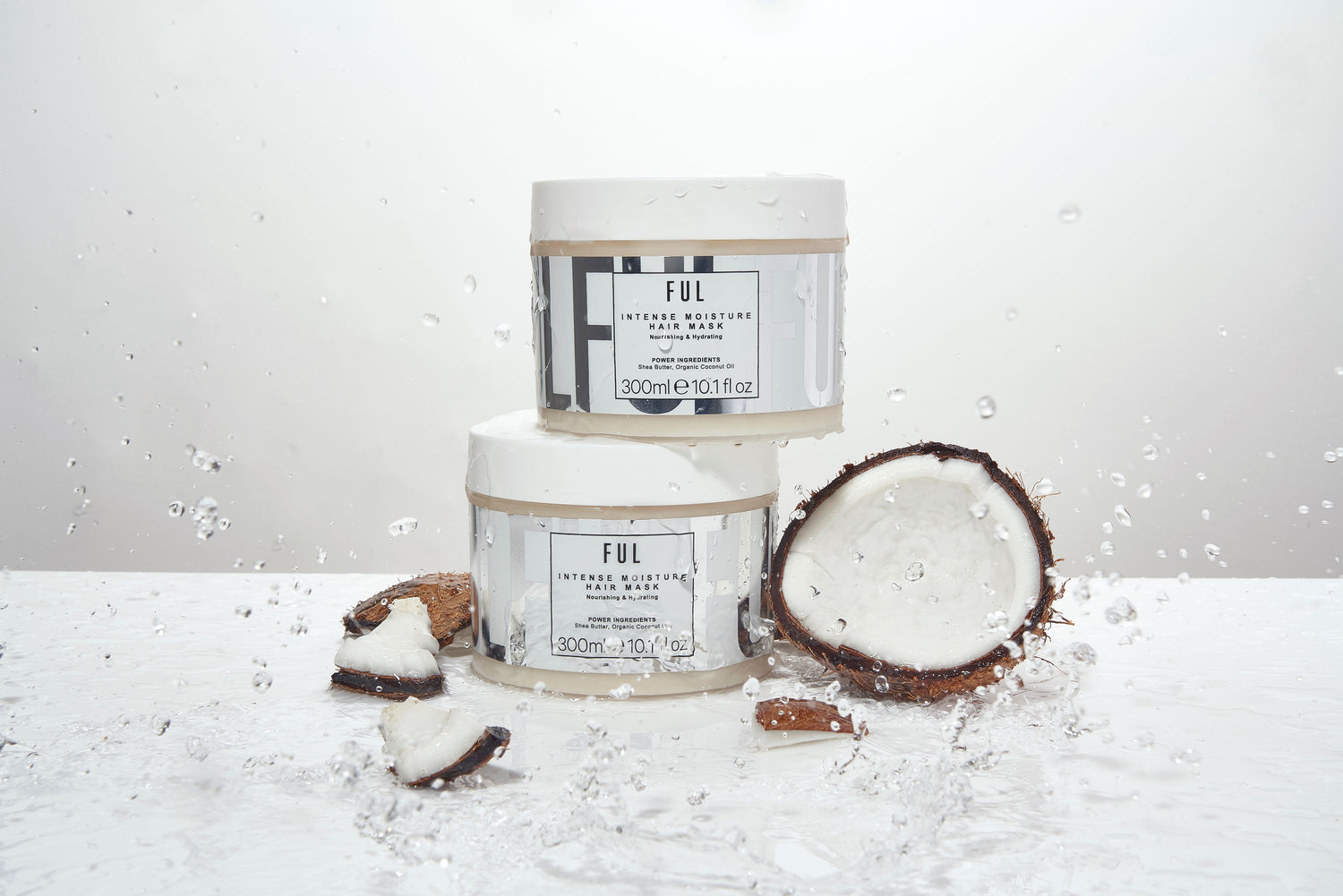
Yes, hair masks deliver intense moisture and nutrients to the hair shaft for dealing with dryness, frizz, dullness, and damage from heat styling and chemicals. These treatments are designed to penetrate deeper than regular conditioners, providing a more concentrated solution to various hair concerns. Key ingredients like oils, proteins, and vitamins help restore moisture, repair damage, and improve hair texture and shine, making them an effective treatment for those with specific hair issues.
Research from sources like PubMed Central and Glamour.com suggests that hair masks, when used correctly, can indeed live up to their promises. These studies have shown that ingredients like keratin and shea butter improve hair strength and hydration, while argan oil and biotin are effective in reducing frizz and repairing damage. These findings support the claim that hair masks provide more targeted, deeper nourishment compared to regular conditioners, especially for individuals with damaged, color-treated, or dry hair.
What Do Hair Masks Do?
Hair masks bind moisture to hair, supply healthy nutrients to the roots, repair damaged strands, balance oil production, and increase shine and softness. These treatments contain concentrated ingredients like oils, proteins, and vitamins, which penetrate the hair shaft to deeply hydrate and nourish from within. Unlike regular conditioners, which primarily hydrate the surface, hair masks target specific hair concerns like dryness, heat or chemical damage, and scalp imbalance. By restoring moisture, repairing damage, and promoting a healthier scalp, hair masks improve the overall texture, appearance, and manageability of the hair.
Hydration via Moisture Binding
For dry hair and scalps, hair masks provide a concentrated dose of hydration through moisture binding, a process that locks in water and nutrients to keep the hair nourished and hydrated. This is achieved through the use of humectants and emollients, which work together to attract and seal moisture.
Humectants like honey, glycerin, and aloe vera draw water from the air and into the hair, helping to hydrate the strands and prevent dryness. After that, emollients and oils like shea butter, coconut oil, olive oil, argan oil, and jojoba oil, seal the moisture in by forming a protective layer around the hair. Together, these ingredients ensure that the hair remains hydrated, soft, and shiny, improving its texture and overall health.
Ingredients Soak Into the Hair
Proteins, vitamins, and oils in hair masks have smaller molecular structures, which allow them to penetrate the hair cuticle and deliver nourishment directly to the inner layers of the hair. This deep soaking process helps address various hair concerns, such as damage repair, moisture restoration, and promoting overall hair health. Once these ingredients are absorbed, they work to strengthen and hydrate the hair from within, providing lasting benefits.
After soaking into the hair, these ingredients become less likely to be washed away during rinsing, providing hydration for longer periods. To ensure maximum absorption and effectiveness, it is recommended to apply hair masks to damp hair, as the moisture helps the ingredients penetrate more effectively.
Repairs with Protein
The proteins found in hair masks, such as keratin, soy, wheat, and collagens, repair damage caused by chemical treatments, coloring, and heat styling, particularly in dry and frizzy hair. Keratin enters broken hair structures to smooth frizz and restore the hair's strength. Soy and wheat proteins strengthen hair fibers and retain moisture to keep hair healthy and hydrated. Collagen and biotin further contribute by boosting elasticity and reducing breakage, ensuring the hair remains resilient and less prone to damage.
Regularly using hair masks with these protein-rich ingredients can reverse the effects of heat styling, chemical treatments, and environmental factors, leaving the hair stronger and more manageable.
Balances the Scalp
Hair masks help balance the scalp's oil production and address dryness, flakiness, and irritation with ingredients like tea tree oil, aloe vera, and activated charcoal. Tea tree oil and aloe vera soothe the scalp, reduce inflammation, and combat dandruff, while activated charcoal attracts buildup and toxins to detoxify the scalp and unclog hair follicles. This detoxifying effect promotes a cleaner, healthier environment for hair growth, helping to prevent scalp issues like excess oil, dandruff, and clogged pores.
By improving scalp health, hair masks create the ideal foundation for stronger and healthier hair. Regular use of masks with these balancing ingredients ensures a clean, nourished scalp, leading to optimal hair growth and overall hair health.
Promotes Hair Shine and Softness
Hair masks make hair shiny, soft, and silky by smoothing the rough hair cuticle and providing deep nourishment, which enhances its ability to reflect light. Ingredients like argan oil, shea butter, and coconut oil, rich in fatty acids, hydrate and coat the hair, making each strand smoother, less frizzy, and stronger. This process gives the hair a glossy, polished finish. By filling in the hair’s natural grooves and sealing moisture, these ingredients improve softness, leaving the hair feeling luxurious and healthy.
When used in the right intervals, hair masks with these nourishing oils result in shiny, soft, and glossy hair. This also works effectively for colored hair, helping to maintain its vibrancy and softness while preventing damage.
How to Use a Hair Mask to Make it Work Effectively?
-
Choose the Right Hair Mask for Your Specific Hair Type and Needs:
Select a hair mask that suits your hair type and concerns. Dry hair needs hydrating ingredients like oils and shea butter, oily hair needs lighter formulas to prevent greasiness, and damaged hair needs protein-rich masks for repair and strengthening. -
Start by Washing Your Hair with a Gentle Shampoo to Remove Dirt and Excess Oils:
Use a gentle shampoo to clean your hair and remove any dirt, buildup, or excess oils. This helps the hair mask penetrate the strands more effectively without being blocked by residue. -
Towel Dry Your Hair to Ensure It’s Damp, Not Dripping Wet:
Before applying a hair mask, make your hair damp, but not dripping wet. If your hair is too wet, the mask may be washed away. Damp hair helps the mask to absorb more easily and deeply. -
Leave the Hair Mask on for the Recommended Amount of Time to Maximise Its Effectiveness:
Follow the product's instructions and leave the mask on for 5 to 20 minutes, depending on your hair type, the product's formula, and your scalp condition. For dry or damaged hair, leave it for longer to ensure deep penetration and sufficient nourishment. -
Rinse Thoroughly with Lukewarm Water to Remove Any Residue:
Rinse the mask out with lukewarm water to leave the hair feeling light, refreshed, and soft, without any product residue weighing it down.
How Often Should You Use a Hair Mask for Best Results?
You should use a hair mask once a week to maintain healthy hair, but if you have dry, damaged, or color-treated hair, you may need to apply it 2-3 times a week for proper hydration and repair. In contrast, those with fine or oily hair should only use it once every two weeks to avoid buildup and heaviness. How often to use a hair mask also depends on your hair’s reaction to the treatment. If your hair feels greasy or weighed down after use, reduce the frequency. If it still feels dry, brittle, or frizzy, consider applying the mask more frequently.
Hair Masks vs. Conditioner
Hair masks are intensive treatments that provide deep nourishment and repair, while conditioners offer lighter, everyday hydration for smooth, manageable hair. Hair masks contain proteins, oils, and vitamins that penetrate deeply into the shaft to restore moisture, repair damage, and enhance strength from within. On the other hand, conditioners simply hydrate the hair's surface, detangle, and maintain moisture.
Hair masks are typically used on a weekly or bi-weekly basis for more targeted treatment of specific concerns, while conditioners maintain daily hair health and manageability.
Final Thoughts: Should You Use Hair Masks?
Yes, hair masks are highly beneficial when dealing with specific concerns like dryness, damage, and frizz. They provide deep nourishment, repair damage from heat and chemical treatments, restore moisture, and improve overall hair health. For individuals with dry, damaged, or color-treated hair, hair masks offer targeted treatments that regular conditioners simply cannot match. They can also help balance the scalp and make hair shinier, making it healthier and more manageable.
However, the frequency of use should be adjusted based on your hair type and needs. While those with normal hair can benefit from a weekly treatment, individuals with fine or oily hair should use masks once every two weeks to avoid buildup. Incorporating a hair mask into your routine can significantly improve your hair's texture and health, but it is important to choose the right mask and use it at the right intervals to achieve the best results.