
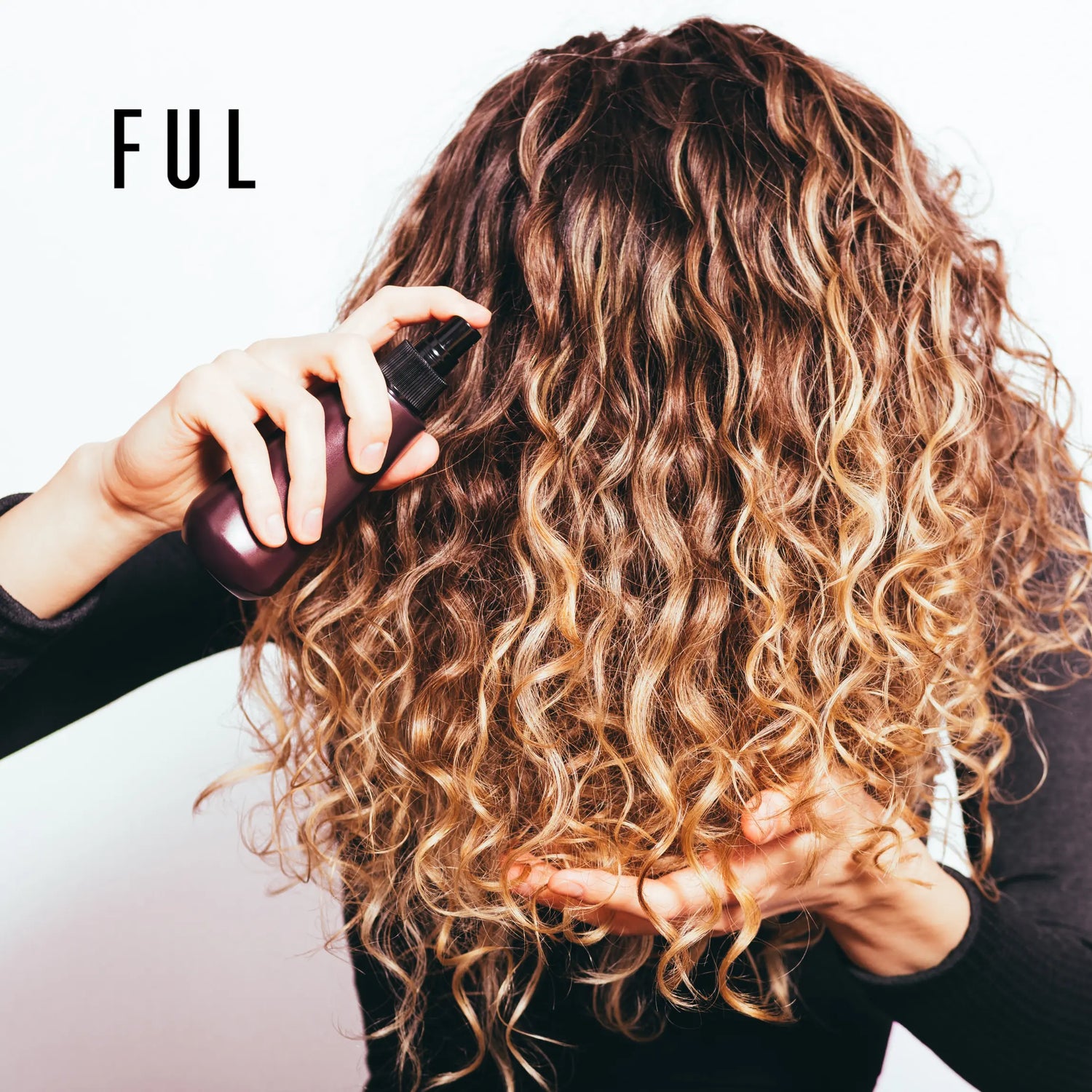
To properly care for curly hair, focus on moisture retention, frizz control, and defining your natural curl pattern. Curly hair is naturally drier and more prone to frizz compared to straight hair because oils struggle to travel down the twists and bends of curly hair. As ZipDo’s 2025 report shows, curly hair is more prone to breakage, with 55% of curly-haired individuals experiencing breakage within a year. This higher sensitivity highlights why curly hair care is important.
Consistent care supports hydrated strands, controlled frizz, and defined curl shapes. Whether your texture forms loose waves or tight coils, the right routine and suitable products help you maintain shiny, bouncy curls every day. This guide gives clear direction on curl types, routine building, and product selection so you can create a personalised curly hair care system that aligns with your natural texture.
Why Curly Hair Needs Special Care?
Curly hair needs special care because its curl structure slows the movement of natural oils along each strand, which increases dryness, frizz, and breakage. The curls lift the cuticle layer, absorb more humidity, and lose moisture faster than straight hair, making curly hair more fragile. Below are some of the key structural differences that make curly hair more sensitive.
-
Poor oil distribution: The natural oils, or sebum, produced by the scalp struggle to travel down the curved hair shaft to the ends. This limited movement reduces natural protection and moisture, especially at the tips.
-
Uneven structure: Curly hair forms bends and twists that lift sections of the cuticle, creating more points of vulnerability. Raised cuticle layer increases friction and makes the strand more prone to damage and breakage.
-
Increased dryness: Because the curly hair structure receives less natural oil, the strand naturally stays drier. Such dryness can make curls appear dull, frizzy, and more fragile during daily styling.
-
Prone to tangles: The twisting pattern interlocks easily, especially when combined with dryness. This leads to knots and tangles that require gentler detangling methods to avoid stress on the hair.
-
Stronger reaction to humidity: Lifted cuticles absorb moisture from the air quickly, causing frizz and disrupting curl definition. Straight hair does not react as strongly because its cuticle sits flatter.
What Are the Different Types of Curly Hair?
Curly hair is grouped into three main categories: Type 2 (wavy), Type 3 (curly), and Type 4 (coily). Each category includes subtypes labelled A, B, and C, which describe differences in curl tightness, strand shape, and overall structure. Understanding your curl type helps you choose routines, product weights, and moisture levels that support balanced hydration and defined curl patterns.
Type 2: Wavy Hair (2A, 2B, 2C)
-
2A: Soft, loose waves with a slight “S” shape. This pattern needs lightweight moisture to prevent flatness.
-
2B: More defined waves that hold their shape but can frizz easily. A light curl cream helps maintain structure.
-
2C: Strong, deep waves that border on curls. This type reacts quickly to humidity and benefits from light gels for definition.
Type 3: Curly Hair (3A, 3B, 3C)
-
3A: Loose, springy curls with a clear “S” pattern. These curls need balanced hydration to avoid heaviness.
-
3B: Tighter curls with more volume and a stronger spiral. They need richer leave-in conditioners to maintain moisture.
-
3C: Dense, tightly curled strands that create compact ringlets. This type benefits from hydrating creams that reduce dryness.
Type 4: Coily Hair (4A, 4B, 4C)
-
4A: Tight coils with a clear “S” shape. These coils hold moisture better than other Type 4 patterns but still need deep hydration.
-
4B: Zigzag curls with sharp bends. The pattern experiences shrinkage and benefits from thicker creams and oils.
-
4C: Very tight coils with minimal defined pattern. This type is most prone to dryness and breakage, making moisture layering essential.
What Is the Best Routine for Curly Hair Care?
The best routine for curly hair care includes a combination of hydration, protection, and gentle styling to maintain healthy, defined curls. Since curly hair is naturally drier and more prone to frizz, it is important to focus on moisture retention, minimise breakage, and enhance the natural curl pattern. A routine customised for your hair curl type, paired with the right products, ensures your curls remain soft, bouncy, and frizz-free.
Daily and Weekly Hair Care Routine
A consistent daily and weekly hair care routine is essential for keeping curly hair hydrated, defined, and frizz-free. Curly hair can be drier and more prone to tangling, so maintaining moisture and gently detangling helps prevent breakage and preserves curl shape. Below is a breakdown of the daily and weekly steps to follow for optimal curly hair care:
Daily Care Routine:
-
Hydrate with Leave-in Conditioner: Start your day by applying a moisturising leave-in conditioner to damp hair. This will help lock in hydration and provide a lightweight base for curl definition. Look for hair care products that contain natural oils, such as argan or jojoba, to maintain moisture without weighing down your curls.
-
Detangle Gently: Always detangle your curls when they are wet or damp to minimise breakage. Use a wide-tooth comb or your fingers, and work through tangles starting from the tips and working upward toward the roots.
-
Protect from Frizz: Apply a light anti-frizz serum or curl cream to damp hair to smooth the cuticle and reduce frizz. This product will help define your curls and keep them looking fresh throughout the day. Avoid heavy creams that can weigh curls down.
-
Style as Desired: Depending on your hair curl type, apply a curl cream, gel, or mousse to help set your curls in place. Scrunch the product into your hair, then allow it to air dry or use a diffuser for added volume. This will help maintain bounce and definition.
Weekly Care Routine:
-
Shampoo and Clarify: Shampoo your curls once or twice a week with a sulfate-free shampoo to cleanse the scalp without stripping away natural oils. Once a month, use a clarifying shampoo to remove product buildup and restore your hair's natural shine and vitality.
-
Deep Condition: After shampooing, apply a deep conditioning treatment to replenish moisture. Leave it on for 15-20 minutes to allow the product to penetrate and hydrate deeply. This step is crucial for curly hair, which needs extra moisture to maintain elasticity and prevent dryness.
-
Refresh Curls Midweek: If needed, refresh your curls between washes by spraying them with a light mist of water or a curl refresher spray. Apply a small amount of leave-in conditioner or curl cream to reactivate the curl pattern and reduce frizz.
How to Maintain Healthy Curls Throughout the Week?
To keep your curls fresh throughout the week, hydrate and protect them overnight with a satin bonnet or pillowcase, and refresh them in the morning with a light-hold product if needed. Here are some simple techniques to maintain healthy, defined curls throughout the week:
-
Refresh with Water or Leave-In Conditioner: Lightly mist your curls with water or a curl refresher spray to reactivate the curl pattern and prevent dryness. Use a lightweight leave-in conditioner for added hydration without weighing down your hair.
-
Apply a Small Amount of Curl Cream or Gel: Scrunch a small amount of curl cream or gel into damp or dry hair to define curls and reduce frizz. Avoid over-applying to prevent the hair from feeling sticky or heavy.
-
Use a Satin or Silk Pillowcase: Protect your curls overnight with a satin or silk pillowcase to reduce friction and prevent frizz. You can also wrap your hair in a satin scarf or bonnet to preserve your curl shape.
-
Try Protective Styles: Consider braids or twists to protect your curls from friction and reduce tangling. Protective styles help maintain curl shape and prevent breakage throughout the week.
-
Avoid Heat Styling: Minimise the use of heat styling tools like flat irons or curling wands. Heat can damage curls and dry out the natural curl pattern. Opt for air drying or diffusing to preserve your curls.
Pre-Wash and Post-Wash Care
A good pre-wash and post-wash routine helps maintain moisture and prevents damage, ensuring your curls stay hydrated and defined. By using the right treatments before and after washing, you can protect your hair from dryness and frizz while enhancing curl definition.
Pre-Wash Care
-
Use Pre-Poo Treatments: Apply oils or pre-shampoo treatments before washing to lock in moisture and protect curls during the cleansing process. Products like coconut oil or olive oil help retain hydration, preventing your curls from becoming dry or brittle.
-
Detangle Before Washing: Gently detangle your curls before washing to prevent breakage. Use a wide-tooth comb or your fingers, working from the tips upward. This ensures your hair is manageable during the wash and avoids tangles.
-
Scalp Care: Try using a scalp scrub or scalp massager to remove buildup and improve blood flow, which can help promote hair growth.
Post-Wash Care
-
Apply Leave-In Conditioner: After washing, apply a moisturising leave-in conditioner to damp hair. This step helps to lock in moisture and detangle curls, making them easier to style.
-
Use Curl Cream or Gel for Definition: Apply a curl cream, mousse, or gel to damp hair to define curls and reduce frizz. Scrunch the product to help shape the curls and ensure they hold their definition.
-
Avoid Towel Drying: Avoid rubbing hair with a towel, as it can cause frizz and breakage. Instead, gently blot or use a microfiber towel to absorb excess moisture without disturbing your curls.
What Is the Best Nighttime Care Routine for Curly Hair?
The best nighttime care routine for curly hair is designed to protect your curls, reduce frizz, and prevent breakage while you sleep. By following these simple steps, you can maintain curl definition, moisture, and shape overnight, ensuring your curly hair stays healthy and ready for styling in the morning:
1. Use the "Pineapple" Method
Gather your curls into a loose, high ponytail on top of your head to prevent them from flattening or tangling. Secure it with a satin or silk scrunchie to avoid tension and curly hair breakage.
2. Sleep on a Satin or Silk Pillowcase
Switch to a satin or silk pillowcase to minimise friction and reduce frizz during sleep. These materials help maintain moisture and prevent curls from becoming tangled or flattened while you sleep.
3. Protect with a Satin Scarf or Bonnet
Wrap your hair curl in a satin scarf or bonnet to protect your curls from friction. This helps keep your curls intact, locks in moisture, and reduces the risk of breakage.
4. Avoid Tight Hairstyles
Avoid tight hairstyles like braids or buns overnight, as they can cause stress and disrupt the curl pattern. Opt for loose, gentle styles that protect your curls without damaging them.
5. Apply Light Oil
A light oil can help lock in moisture and nourish your curls overnight. Focus on applying it to the ends and any areas that need extra hydration to prevent dryness.
6. Avoid going to bed with wet hair
Sleeping with wet hair can lead to breakage and scalp issues. Always make sure your hair is completely dry before going to bed to protect your curls and maintain healthy hair.
What Are the Best Products for Curly Hair Care?
The best products for curly hair include sulfate-free shampoos and leave-in products that provide moisture and definition. Curly hair requires special care due to its unique texture, which makes it more prone to dryness, frizz, and breakage. The right products help maintain the hair's natural health, prevent moisture loss, and enhance curl definition. There are many options available to help you find the perfect curls and coils products for your routine.
Best Shampoos for Curly Hair
When choosing a shampoo for curly hair, it is important to look for sulfate-free formulas that cleanse without stripping natural oils. Sulfates can dry out curly hair, leaving it brittle and prone to frizz. Opt for moisturising shampoos that retain moisture while cleaning the scalp. Key ingredients like glycerin and aloe vera help lock in hydration and promote curl definition.
Recommended Shampoo for Curly Hair:
-
Hydrating Shampoo with Aloe Vera: Gently cleanses while providing moisture to hair.
-
Sulfate-Free Moisturising Shampoo with Shea Butter: A nourishing formula that enhances softness and shine.
Leave-in Conditioners and Hydrating Treatments
Leave-in conditioners and hydrating treatments are must-have products for curly hair, as they help lock in moisture and provide all-day hydration. Curly hair tends to lose moisture more quickly, and leave-ins are perfect for sealing that moisture in. They also help detangle, reduce frizz, and enhance curl definition.
Recommended Leave-In Conditioners and Hydrating Treatments:
-
Moisturising Leave-In Conditioner with Argan Oil: Adds hydration and controls frizz in curly hair.
-
Hydrating Curl Cream with Shea Butter: Deeply nourishes curls and prevents dryness.
Styling Products for Curly Hair
The right styling products can make all the difference in curl definition and longevity. Whether you want more hold or a soft, natural look, there are styling products designed for every curl type. Use curl creams, gels, or mousses to define curls and reduce frizz. Anti-frizz serums and creams help maintain smooth curls, especially in humid conditions.
Recommended Styling Products for Curly Hair:
-
Curl Defining Gel with Flaxseed Oil: Provides hold and definition without crunch on curl hair.
-
Curl Cream for Soft Hold: Defines curls while leaving them soft and bouncy.
What Are the Best Hairstyles for Curly Hair to Aid in Care?
The best hairstyle for curly hair to aid in care includes layered cuts, curly bob, braids, and long curls with volume. These types of cuts and styles of curly hair reduce frizz, minimise bulk, and prevent damage, making your curls easier to manage. Depending on your curly hair type, you can try any of these styles while maintaining better care of it:
1. Layered Cuts
Layered cuts are perfect for curly hair as they reduce bulk and allow curls to bounce freely. Layers help even out curl patterns, providing a more balanced shape and minimising the frizz that comes with heavy, one-length cuts. This style enhances natural curl definition while preventing hair from looking too bulky.
2. Curly Bob
A curly bob is a great style for those with medium to short curly hair. This cut enhances curl definition while keeping the shape structured. The shorter length allows for easy maintenance and less frizz. A curly bob also offers versatility in styling, whether you prefer a loose, soft curl or a more defined, structured look.
3. Shag Cut
The shag cut works wonderfully with curly hair as it emphasises volume and texture. This cut adds movement to your curls while allowing for maximum definition. It is an excellent choice for those who want to embrace their curls without worrying about excessive bulk or weight. The layers in the shag cut help curls bounce and flow naturally.
4. Braids and Twists
Protective styles like braids and twists can help preserve curl definition and reduce manipulation, preventing damage. These styles also protect the hair from environmental factors and minimise frizz. Additionally, braids and twists can reduce breakage by keeping hair secure and protected from friction caused by pillowcases or clothing.
5. Pineapple Updo
For a quick and easy protective style, the pineapple updo works well for curly hair. This style gathers your curls at the top of your head, keeping them out of the way and preventing tangles. It is ideal for sleeping or casual days when you want to maintain your curl pattern without much manipulation.
6. Long Curls with Volume
For those with long curls, adding volume at the roots with a layered cut can help prevent the hair from becoming too heavy or flat. This style enhances curl definition without sacrificing fullness. Regular trims are key to maintaining the shape and ensuring that the curls stay healthy and defined.
What Are the Common Challenges of Caring for Curly Hair?
Caring for curly hair comes with its own set of challenges, including dryness, frizz, and breakage. Due to its unique texture, curly hair can be more prone to damage and requires extra attention to keep it healthy and well-maintained. Here is a breakdown of the most common challenges curly-haired individuals face and how to overcome them.
Dryness and Moisture Retention
One of the biggest struggles for curly hair is maintaining moisture. Curly hair tends to dry out faster than straight hair because natural oils have difficulty travelling down the twists of each strand. Without proper hydration, curls can appear dull, frizzy, and feel rough to the touch.
Solution for dryness and moisture retention in curly hair:
-
Use a deep conditioning mask once a week to replenish moisture and restore elasticity.
-
Apply moisturising oils like coconut oil or argan oil, which help lock in moisture. Use leave-in conditioners that hydrate and protect curls from environmental dryness.
-
Shampooing too often strips natural oils. Wash curly hair every 3-4 days or as needed to keep moisture intact.
Managing Frizz
Frizz is another common challenge for curly hair, usually caused by a lack of hydration. When curly hair’s cuticle layer lifts, moisture from the air can get into the strands, causing them to swell and create frizz. Humidity is often the main reason for frizziness in curly hair.
Solution to manage frizz:
-
If you are wondering how to manage frizzy curly hair, consider using anti-frizz serums or lightweight curl creams that keep your hair hydrated throughout the day.
-
Dry your curls with a blow dryer using a diffuser attachment to prevent frizz. Avoid towel drying, which can rough up the cuticle and cause frizz.
-
Use a humidity-resistant spray to maintain curl definition, especially in damp or rainy weather.
Breakage and Hair Health
Curly hair is structurally weaker than straight hair due to its twists and bends, which create more points of tension. This makes curly hair more susceptible to breakage, especially when it is manipulated too much or exposed to harsh products or styling tools.
Solution for breakage and hair health:
-
Keeping your ends trimmed prevents split ends and breakage. Trim curly hair every 6-8 weeks to maintain healthy strands.
-
Use protein-rich deep conditioning treatments to strengthen hair and reduce damage. Look for products with keratin or biotin to fortify curls.
-
Always detangle curls when wet using a wide-tooth comb or fingers to prevent breakage. Avoid tugging or pulling at knots, as this can cause hair to snap.
What Mistakes Should You Avoid When Caring for Curly Hair?
Washing your hair too often, relying on the wrong products, and brushing dry hair are the common mistakes that should be avoided when caring for curly hair. These types of mistakes can be harmful to curly hair and can even result in hair loss.
Brushing Dry Hair
Brushing dry curly hair can cause breakage, frizz, and disrupt curl definition. Curly hair is more fragile when dry because the cuticle is raised, making it prone to damage. To avoid this, always detangle your hair when it is wet and conditioned, using a wide-tooth comb or your fingers. Avoid brushing dry hair and instead use a detangling brush specifically designed for curls.
Over-Washing Curly Hair
Over-washing curly hair strips it of natural oils, leading to dryness and frizz. Curly hair should not be washed too frequently; 1 to 2 times a week is ideal. On non-wash days, try co-washing (conditioning without shampoo) to cleanse your scalp without stripping moisture. Always opt for sulfate-free shampoos to preserve hydration.
Using the Wrong Products
Using products with harsh ingredients like sulfates, alcohols, or silicones can dry out curly hair and cause buildup. Choose products that are designed for curly hair and contain moisturising ingredients like shea butter, glycerin, or jojoba oil. Avoid silicones and alcohols, which can cause dryness and frizz over time.
Conclusion: Embrace Your Curly Hair Journey
Caring for curly hair is a unique and rewarding journey centred on moisture, consistency, and understanding your natural texture. The coiled structure of curly hair necessitates a dedicated routine to combat its inherent challenges: dryness, frizz, and breakage. Success depends on customising your approach based on your specific curl type, from balancing hydration for loose waves to moisture layering for tight coils.
By consistently incorporating key steps like gentle detangling, weekly deep conditioning, and protective overnight styling (using satin), you support your hair's elasticity and shine. Crucially, choose sulfate-free and hydrating products designed for curls. Avoiding common mistakes, like brushing dry hair, will significantly improve definition and health. Embrace this informed approach to ensure your natural curls remain vibrant, bouncy, and beautifully defined every day.