
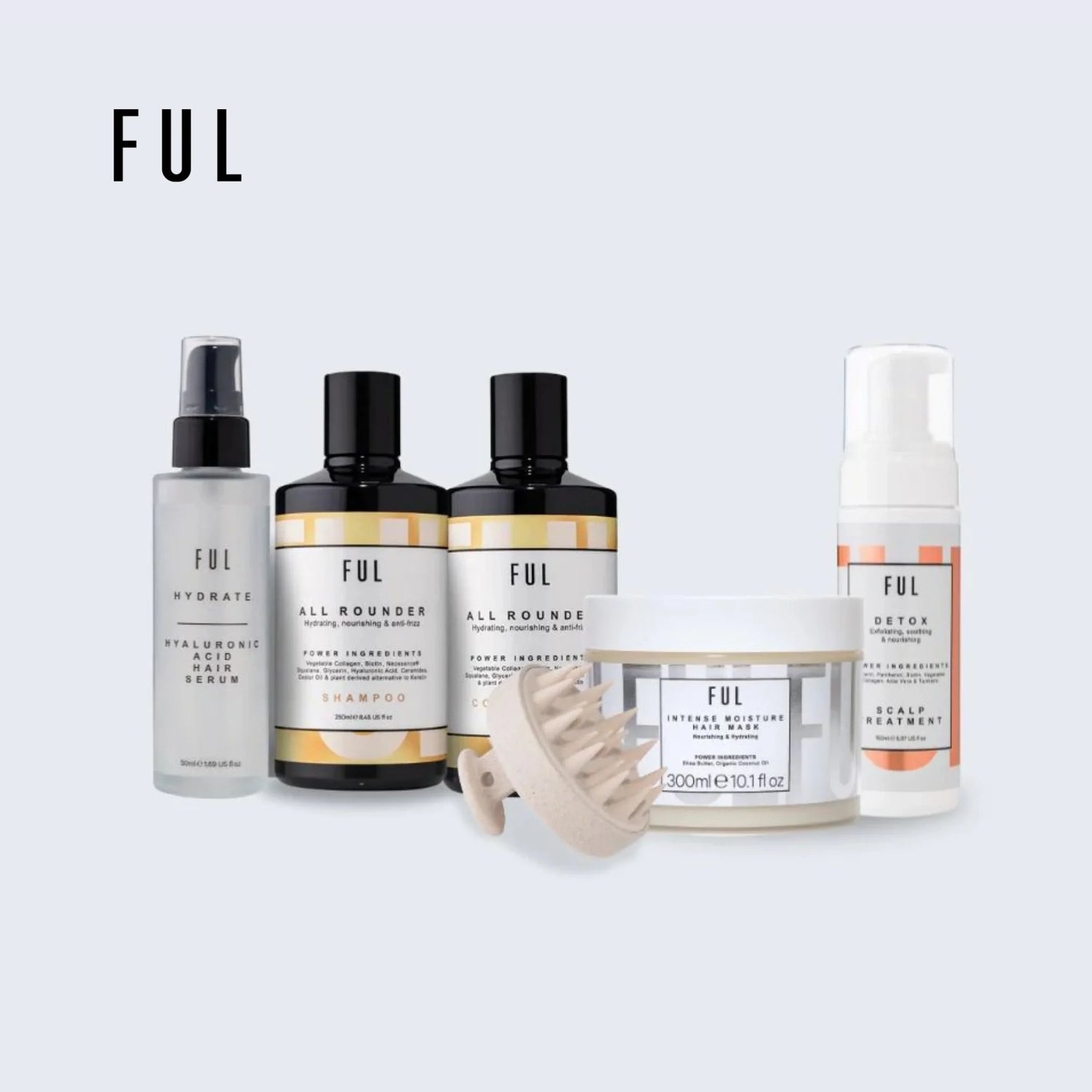
To treat dry hair, use a moisturizing shampoo, apply a deep conditioning treatment, lock in moisture with leave-in conditioners or oils, avoid heat styling, and trim your hair regularly. These steps address the root causes of dryness by restoring hydration, preventing further damage, and keeping your hair looking healthy and nourished.
When choosing products for dry hair treatment, it is important to consider your specific hair type and the extent of damage. Hydrating products like moisturizing shampoos, conditioners, and oils ensure that moisture is locked in, helping to minimize brittleness. Regular trims also help to keep your hair healthy by reducing split ends and preventing further damage over time.
A consistent hair care routine, paired with the right products for your hair type, is crucial for managing dry hair. Addressing environmental, lifestyle, and health factors that contribute to dryness will allow your hair to stay nourished, soft, and shiny.
What Is the Step-by-Step Guide to Treat Dry Hair?
Dry hair treatment starts with using a moisturizing shampoo to cleanse your hair, followed by deep conditioning to restore hydration, and applying a leave-in conditioner or oil to lock in moisture. It is best to avoid heat styling to prevent further damage. Regular trimming is essential to reduce split ends and keep your hair healthy. For the best results, choose a hair product for dry hair that suits your specific hair type, and make the upcoming steps a consistent part of your hair care routine.
Step 1: Start with a Moisturising Shampoo
To begin, use a quarter-sized amount of moisturizing shampoo and increase the amount based on your hair length. Massage it directly into your scalp and work it down the length of your hair. Rinse thoroughly after 1 to 3 minutes. Over-washing can strip essential oils, so use the shampoo only 2 to 3 times a week. This helps maintain moisture while still keeping your hair refreshed. A moisturizing shampoo restores hydration and ensures your hair does not become drier over time.
Step 2: Apply a Deep Conditioning Treatment
Deep conditioning is crucial because it restores moisture in dry hair. People with tight curls should apply it once a week, while others may benefit from 2-3 treatments per month. Deep conditioners contain higher concentrations of emollients and humectants which allows them to penetrate the hair more deeply than regular conditioners. Leave it on for 20-30 minutes to detangle, reduce frizz, and boost shine. For oily scalps, focus the conditioner on the mid-shaft to ends, and rinse with cool water.
Step 3: Use a Nourishing Leave-in Conditioner or Oil
After conditioning, apply a nourishing leave-in conditioner or oil to lock in moisture. Choose oil ingredients like argan oil, coconut oil, or shea butter to hydrate and add shine. These products form a protective barrier, sealing in moisture and preventing further dryness. Leave-in conditioners also help detangle hair, making it more manageable. Apply a small amount to damp hair, focusing on the ends, and work through with your fingers or a wide-tooth comb gently for even distribution.
Step 4: Avoid Heat Styling
Since heat styling can further dry out your hair, air-drying is a much better alternative. If a blow dryer is necessary, use it on the lowest heat setting only while keeping it at least 6 inches away from your hair to minimize direct exposure. Heat protectant sprays can also help reduce damage by forming a barrier between your hair and styling tools, preserving moisture and preventing hair from becoming brittle.
Step 5: Trim Your Hair Regularly
Regular trims are essential for preventing split ends, which are common in dry hair. Aim to trim your hair every 8-12 weeks if you are trying to grow it out. This helps keep the ends fresh and reduces the risk of breakage. For shorter hairstyles, a monthly trim is usually enough to maintain shape and prevent damage or brittleness. Regular trims ensure that your hair stays strong and vibrant, reducing the appearance of dry, split ends and promoting overall hair health.
What Are the Best Products for Treating Dry Hair?

When treating dry hair, use products that contain nourishing ingredients like glycerin, shea butter, and organic coconut oil. These ingredients provide intense moisture to dry hair, leaving it softer and shinier. Glycerin helps pull moisture from the air and locks it in, creating lasting hair hydration. Shea butter and coconut oil work together to improve hair texture and replenish hydration, keeping it nourished and manageable. For the best results, consider using bundle products for dry hair, formulated using the necessary ingredients to restore moisture and nourish your strands.
Which Shampoos Are Most Effective for Dry Hair?
The most effective shampoos for dry hair are those with a restorative formula that deeply repairs damaged strands while gently cleansing:
-
Reset Repair Shampoo: A restorative shampoo that deeply repairs and nourishes dry, damaged hair with Hyaluronic Acid, Prebiotics, shea butter and coconut extract.
-
Travel Size Bundle: A bundle that includes shampoo, conditioner, and a hair mask designed for dry hair care.
Unlike harsh clarifying shampoos that strip away natural oils, these shampoos rebalance and nourish stressed strands from root to tip, restoring vitality without weighing hair down.
Best Moisture-Rich Hair Masks for Dry Hair
For deeper hydration and nourishment, use these moisture-rich hair masks designed to restore softness and vitality to dry hair:
-
Intense Moisture Hair Mask: A hair mask rich in shea butter and organic coconut oil that provides intense moisture to dry, damaged hair, restoring shine and softness. Such an ultra-hydrating shea butter hair mask is ideal for nourishing and revitalising hair.
-
Purple Intense Moisture Hair Mask: A hair mask for blonde and grey hair that neutralizes brass, restores vibrancy, and deeply hydrates with glycerin, shea butter, and coconut oil. For colour-treated hair, brass-neutralising purple toning mask delivers deep moisture while enhancing vibrancy.
These masks offer deep hydration, helping to repair and restore the health of your hair while adding lasting moisture without weighing it down.
Which Conditioners Provide the Best Hydration for Dry Hair?
To deeply hydrate dry hair, Reset Repair Conditioner is a perfect choice. Infused with Hyaluronic Acid, it provides lasting moisture and improves elasticity, while Apple Cider Vinegar balances the scalp’s pH level for smooth, shiny hair. Its coconut extract strengthens and protects the hair, reducing protein loss and enhancing moisture retention. It also contains shea butter, which seals in hydration, protecting against environmental stressors, leaving hair soft, smooth, and frizz-free between washes.
Top Serums for Taming Dry Hair
For deep moisture, frizz control, and hydration, consider using these serums designed to transform dry, frizzy hair:
-
Hyaluronic Acid Hair Serum: A multi-tasking serum that provides deep moisture, controls frizz, smooths flyaways, and supports scalp health without leaving greasy residue. Such a deeply hydrating hyaluronic acid serum helps maintain smooth, manageable hair.
-
Hair Hydration Bundle: A complete system combining serum with shampoo, conditioner, and hair mask to hydrate, repair, and smooth dry, damaged, and frizzy hair. For full care, a complete hydration bundle helps repair and restore dry, frizzy strands.
Serums offer complete hydration and repair, transforming dry hair into soft, smooth, and shiny locks, while preventing frizz and making your hair more manageable.
What Are the Most Common Causes of Dry Hair?

The most common causes of dry hair come as a result of negative environmental factors, bad hair care habits, and internal factors. Each of these causes are explained in more detail in the sections below to help you avoid making the same mistakes that lead to dry hair.
Environmental Factors
External or environmental factors that cause dry hair include:
-
Sun Exposure: UV rays can strip moisture from your hair, leaving it dry and brittle.
-
Pollution: Dirt and chemicals in the air can accumulate on the hair, causing damage and dehydration.
-
Weather: Extreme weather conditions, such as cold winds or dry heat, can dehydrate hair, making it more prone to frizz and breakage.
-
Hard Water: Minerals in hard water can build up on hair, making it look dull and feel dry. Installing a water softener or using chelating shampoos can help.
-
Dry Air: Low humidity, especially in winter, can strip moisture from hair.
-
Cold Weather: The cold can dry out your hair and scalp if you do not wear a hat or use moisturizer.
-
Chlorine: Swimming in chlorinated water without a swim cap and not rinsing afterward strips moisture.
-
Saltwater: Saltwater can leave hair feeling dry and rough, making it crucial to rinse hair immediately after exposure.
Hair Care Habits
Common hair care habits that cause dry hair are as follows:
-
Overwashing: Washing hair more than 2 to 3 times a week strips natural oils, leading to dryness.
-
Brushing Wet Hair: Wet hair is more vulnerable to breakage, causing it to become dry and brittle.
-
Excessive Styling Products: Using too many styling products, especially those containing alcohol, can dry out hair.
-
Coloring: Frequent coloring can damage the hair cuticle, leading to moisture loss.
-
Heat Styling: Blow dryers, straighteners, and curling irons can dry out and damage the hair shaft.
-
Bleaching: This process removes hair's natural moisture, leading to dryness and breakage.
-
Skipping Conditioner: Neglecting to use conditioner can leave hair unmoisturized dry.
-
Incorrect Shampooing: Rubbing shampoo into the length of your hair instead of focusing on the scalp can strip moisture from the hair shaft.
Internal Factors
Several internal factors also cause dry hair:
-
Poor Diet: A lack of essential vitamins and nutrients can affect the health of your hair, leading to dryness. Eat a balanced diet with plenty of vitamins, minerals, and healthy fats to promote hair health.
-
Dehydration: Insufficient water intake can lead to dry hair and skin. Drink plenty of water throughout the day to maintain hydration.
-
Hormonal Changes: Changes in hormone levels, such as during pregnancy or menopause, can affect hair moisture levels. Consult with a healthcare provider if you notice drastic changes in hair health.
-
Stress: High stress can disrupt hair's natural balance, leading to dryness and breakage. Managing stress through exercise, meditation, and self-care can help improve overall hair health.
What Are the Signs of Dry Hair?
Dry hair can be detected by its texture and other visual indicators. Some people may have naturally dry hair and may not realize it, especially if they have not noticed the signs. Recognizing these signs early can help you take the necessary steps to treat and manage dry hair before it leads to long-lasting damage that is difficult to rejuvenate.
Texture
You can detect dry hair by paying attention to the texture of your hair:
-
Roughness: Dry hair feels rough or coarse to the touch, much like straw. This is due to the lack of moisture in the hair shaft, which makes it feel dry and brittle.
-
Brittleness: Hair with low moisture becomes fragile and breaks easily. If your hair snaps even when you comb or style it gently, it is likely because of dryness.
-
Lack of Elasticity: Dry hair does not stretch or bounce even when it is wet. It may feel stiff and break easily when you try to style it.
-
Tangling: Dry hair tangles more easily because the cuticles are raised, making it more prone to knots and snags.
Visual Indicators
Dry hair can also be spotted by looking for these visual signs:
-
Dullness: Dry does not have the same shine or reflective quality as healthy hair. It looks lackluster, flat, or dull instead.
-
Frizz: In humid conditions, dry hair becomes frizzy because it lacks the moisture needed to stay smooth and controlled.
-
Split Ends: The tips of dry hair often split or break, creating a rough, uneven appearance, especially in layered haircuts.
-
Flatness: Dry hair may appear limp or weighed down due to the lack of volume, as moisture helps keep the strands appear more voluminous and full.
-
Flyaways: Flyaways are common when the hair is dry, making it harder to style and giving it an unmanaged appearance.
-
Excessive Shedding: Dry hair can lead to increased hair shedding due to breakage. If you notice more hair than usual falling out, dryness could be the cause.
Conclusion: The Best Ways to Treat Dry Hair
To treat dry hair effectively, it is essential to follow a regular routine that involves moisturizing, deep conditioning, and using oils or conditioners to lock in hydration. Start by using a moisturizing shampoo and conditioner specifically designed for your type of hair, followed by a deep conditioning treatment at least 2 to 3 times a month. Regularly apply nourishing oils or leave-in conditioners to keep your hair hydrated all day long. These products help replenish essential moisture, improve texture, and prevent further damage.
It is also important to avoid heat styling, which can worsen dryness. Minimize the use of blow dryers, straighteners, and curling irons, and always apply a heat protectant when heat styling. Regular trims every 8-12 weeks also help maintain healthy hair by preventing split ends. By regularly moisturizing, conditioning, and maintaining regular trims, you can restore your hair’s natural moisture, reduce frizz, and get soft, shiny, and revitalized hair.
Frequently Asked Questions (FAQs) About Dry Hair
Is it possible to reverse hair damage from colouring or heat styling?
Unfortunately, it is not possible to fully repair the length of hair that has already been damaged by coloring or heat styling. However, you can preserve new growth by using deep conditioning masks, hydrating oils, and nourishing hair products. They can help restore scalp moisture, improve elasticity, and strengthen weakened strands. Regular trims to remove split ends, minimizing heat styling, and avoiding over-coloring will also help preserve new hair growth.
How often should I deep condition my hair after colouring?
After coloring your hair, it is recommended to deep condition once a week to maintain its health and hydration. Color-treated hair is more likely to become dry and porous, so deep conditioning treatments are needed to replenish moisture, restore elasticity, and improve texture. If your hair feels particularly dry or damaged, you may benefit from doing it 2-3 times a week using a treatment specifically formulated for color-treated hair.
How can I repair dry bleached hair?
You can repair dry bleached hair by using deep conditioning treatments that contain protein, Shea Butter, and Argan Oil to rebuild the hair's strength and hydration. Avoid overwashing or using harsh shampoos. Instead, opt for shampoos specifically designed for color-treated hair. Incorporate nourishing oils such as coconut or olive oil to hydrate your strands, and avoid excessive heat styling. Regular trims to remove split ends also help maintain a healthy appearance.
How can I keep blonde hair hydrated?
To keep blonde hair hydrated, use hydrating shampoos and conditioners when washing, as well as deep conditioning hair masks once a week to replenish moisture and maintain softness. Applying a leave-in conditioner helps lock in hydration and protect against environmental factors that cause dryness. Additionally, minimize washing frequency to prevent natural oils from being washed away and limit heat styling to avoid moisture loss. Regular trimming helps remove split ends and prevents damage from spreading.
Are there any natural remedies for dry hair during pregnancy?
During pregnancy, it is important to choose natural remedies that are safe for both you and your baby. You can hydrate dry hair with natural oils like coconut, olive, and argan oil since these oils provide deep moisture and nourishment without the use of harsh chemicals. Aloe vera gel can also soothe and hydrate the scalp without major side effects. Additionally, maintaining a balanced diet rich in biotin, vitamin E, and omega-3 fatty acids can support healthy hair growth and hydration during pregnancy.