
Scalp exfoliation is the process of removing dead skin cells, excess oil, and product residue from the scalp using scrubs or chemical exfoliants to unclog follicles, reduce dandruff, and distribute natural oils evenly. This process is usually done once or twice a week, though the exact frequency depends on hair type (curly, straight, or fine) and whether you have a dry or oily scalp.
By keeping hair follicles clear, exfoliation promotes proper circulation and oil control, which helps hair grow stronger, smoother, and more resilient. Avoiding exfoliation, on the other hand, may lead to flakes, irritation, and reduced hair quality. So if you notice oiliness, dandruff, and scalp odour, exfoliation may be needed to restore balanced conditions for healthy hair growth.
Exfoliation can be done using various methods, including physical scrubs, chemical exfoliants, and homemade DIY solutions. Each method works differently, so the best option depends on your hair type and scalp condition. It is also important to avoid exfoliation if your scalp has open cuts, sores, or active conditions like eczema, as this can cause further irritation.
What Are the Benefits of Scalp Exfoliation?
Scalp exfoliation promotes healthy hair growth, reduces dandruff and flakes, prevents product build-up, balances oil production, reduces itching and irritation, and improves scalp hydration. These benefits come from keeping hair follicles clear and maintaining a balanced scalp environment through the removal of dead skin cells and excess oil.
Promotes Healthy Hair Growth
The exfoliation process removes excess sebum and dead skin cells that clog hair follicles and prevent hair from growing freely. Clearing these blockages allows thicker, fuller hair to grow more freely while supporting better follicle functions like natural oil production and skin repair. Exfoliation also involves gentle massaging to improve blood circulation, which helps deliver oxygen and nutrients to the hair roots more effectively. It further reduces harmful conditions that interfere with healthy hair growth by preventing excess oil from accumulating on the scalp.
Reduces Dandruff and Flakes
The scrubbing action of exfoliation gets rid of dead skin cells that mix with scalp oil to form dandruff and flakes. Once this layer of dead skin and oil is loosened and rinsed off, visible dandruff and itchiness are reduced greatly. Chemical exfoliants that contain salicylic acid and glycolic acid support this process by breaking down dead skin and oil more evenly across the scalp. By keeping this build-up from returning, exfoliation helps limit the conditions that cause recurring dandruff and flakes.
Prevents Product Build-up
Scalp exfoliation removes product build-up that can collect on the scalp through regular use of styling products, hair oils, and shampoos. Physical scrubbing and cleansing chemicals like salicylic acid help break down the thick, paste-like substance that sticks to the scalp and surrounds hair follicles. If left untreated, this residue can trigger itchiness and contribute to hair thinning over time. Clearing it prevents follicles from becoming clogged, making way for the growth of thicker, healthier hair, and allows shampoos and treatments to absorb more effectively into the scalp and roots.
Balances Oil Production
Natural oils produced by the scalp often mix with dead skin cells, dirt, and leftover products, forming a barrier that clogs pores and signals the scalp to release more oil. Exfoliation breaks down and removes this buildup, which clears blocked pores and prevents the scalp from becoming congested. By gently scrubbing away excess oil, exfoliation allows the scalp to regulate sebum production more effectively and maintain a healthier balance. This balance supports a healthier scalp environment for hair growth, while different exfoliating approaches help manage both oily and dry scalp conditions.
Improves Scalp Health and Hydration
Exfoliating removes the layers of dead skin cells and surface build-up from the scalp, allowing the skin to absorb natural oils and moisturising treatments more effectively. Removing this barrier prevents moisture from being blocked at the surface and helps it penetrate the scalp properly. Dry or irritated scalps benefit from exfoliation because improved absorption supports better moisture retention and comfort. With moisture properly absorbed, the scalp creates a healthier foundation for stronger, shinier hair and reduces dryness, dullness, and breakage.
Reduces Itching and Irritation
Scalp exfoliation reduces irritation and itchiness by clearing dead skin cells, oil, and product residue that block moisturisers from reaching the deeper layers of skin. When this buildup remains, soothing treatments stay on the surface and fail to calm dryness or sensitivity underneath. Removing these barriers allows moisture to penetrate the skin deeply, which helps relieve discomfort. Clear pores also reduce ingrown hairs that cause persistent itching. Sensitive scalps need gentle exfoliation followed by moisturising treatments to feel more comfortable.
How Do You Know If Your Scalp Needs Exfoliation?
Your scalp needs exfoliation when you experience itchiness, oiliness, flakes, dandruff, excessive hairfall, or slow hair growth. These issues often develop when oil, dead skin cells, and product residue collect on the scalp and interfere with normal follicle function. Since the scalp behaves like skin on other parts of the body, it requires regular care to clear buildup and support proper hydration.
Signs your scalp needs exfoliation include:
-
Oiliness: Excess oil that builds up quickly after washing signals clogged pores that prevent the scalp from regulating sebum properly.
-
Dandruff and flakes: Visible dandruff and flakes indicate a buildup of dead skin cells that the scalp is not shedding on its own.
-
Product buildup: Residue from shampoos and styling products can coat the scalp, block hair follicles, and limit absorption of hair treatments.
-
Hair fall: Increased hairfall may occur when congested follicles disrupt hair growth cycles.
-
Scalp odour: Unpleasant smells often develop when oil, sweat, and buildup remain trapped on the scalp surface.
-
Bumps and irritation or itchiness: Raised bumps and persistent itching can result from blocked pores and inflammation caused by buildup.
-
Slow hair growth: If you notice your hair growing slower than usual, it may be due to reduced circulation and limited nutrient delivery at the roots.
What Are the Best Methods for Scalp Exfoliation?

The best methods for scalp exfoliation include physical exfoliation using scrubs and combs, chemical exfoliation that dissolves dead skin and excess oil, or simple DIY exfoliant recipes using home ingredients and items. Each method removes buildup in a different way, and choosing the right method depends on scalp condition, sensitivity, and the type of buildup present.
Physical Exfoliation
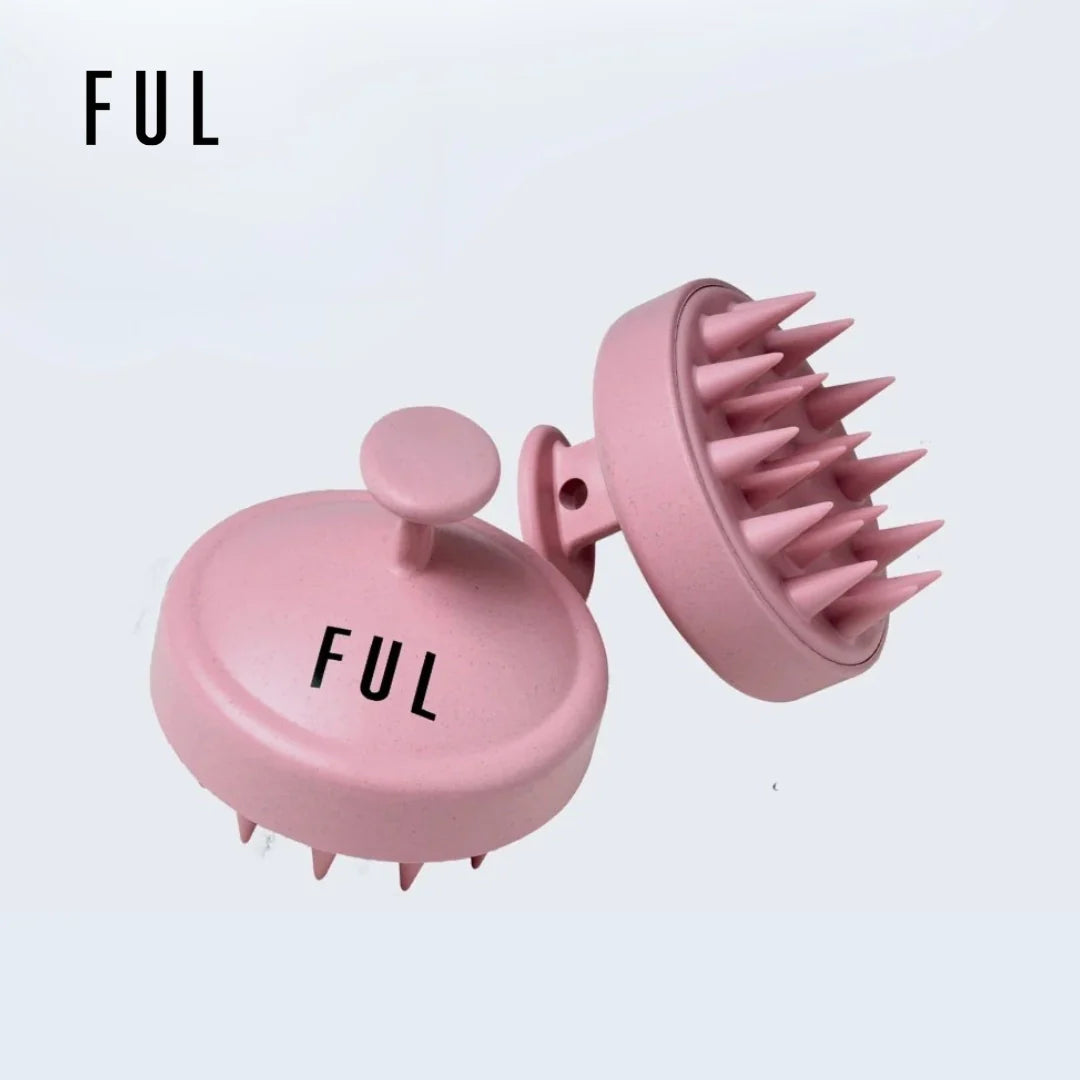
Scrubs that contain fine particles of sugar, sea salt, or coffee grounds exfoliate by physically dislodging dead skin cells and product residue from the scalp surface during a massage. For physical exfoliation and circulation support, you can use scalp scrubs, silicone or soft-bristle brushes, and massagers. A scalp massager shampoo brush is also helpful, as it loosens buildup and improves blood circulation through massage while allowing shampoo to cleanse more thoroughly by distributing evenly across the scalp.
Follow these 5 steps for physical exfoliation:
- Dampen your hair and scalp.
- Part your hair and use a scrub, brush, or your fingertips (not nails) to massage the scalp gently.
- Continue for 2 to 5 minutes in slow, circular motions.
- Rinse thoroughly with warm water to remove all buildup or debris.
- Apply shampoo and hydrating conditioner after rinsing.
Chemical Exfoliation
Chemical exfoliation works by breaking down dead skin cells and excess oil on the scalp using active chemical ingredients like salicylic acid, glycolic acid, and lactic acid rather than physical scrubbing. They dissolve persistent, hardened buildup around hair follicles, making it easier to rinse away. This method suits scalps with recurring buildup or dandruff, but it is crucial to use the correct amount and at the right frequency.
7 steps for chemical exfoliation:
- Wet your hair and scalp, and keep them damp.
- Part your hair to expose the scalp, as exfoliants must be applied to the scalp directly.
- Apply the right amount of exfoliant, as specified on the product label.
- Use your fingertips (not nails) to massage the scalp gently in slow, circular motions for 3 to 5 minutes.
- Let it sit for the time specified on the product label, which is normally 5-10 minutes.
- Rinse thoroughly with warm water to remove all buildup and exfoliant.
- Shampoo your hair and apply a conditioner.
DIY Scalp Exfoliant Recipes
Simple, natural ingredients like sugar or sea salt mixed with coconut or olive oil act as DIY scalp exfoliants by gently lifting dead skin and surface buildup from the scalp. These recipes can be enhanced by adding soothing, anti-inflammatory ingredients like oats, honey, coffee, or citrus zest from lemon or grapefruit. When prepared correctly, they help maintain a clean and balanced scalp without irritation.
6 core steps for applying DIY scalp exfoliants:
- Use a blender to grind dry ingredients, and mix in a small bowl until evenly combined.
- Dampen your hair and scalp with lukewarm water.
- Part your hair and apply the mixture directly to the scalp.
- Massage gently using your fingertips in slow, circular motions for 3 to 5 minutes.
- Let it sit on the scalp for 10 to 20 minutes.
- Rinse thoroughly and follow with shampoo and conditioner.
Scalp Exfoliation for Different Hair & Scalp Types
Different hair and scalp types benefit from scalp exfoliation in different ways, depending on oil levels, moisture needs, and buildup patterns. Curly, straight, and fine hair types, as well as oily and dry scalps, respond differently to exfoliation, which makes ingredient choice and method especially important. When exfoliation matches both hair type and scalp condition, it supports better comfort, balanced hydration, and healthier hair growth.
Curly & Coily Hair
Exfoliants that contain hydrating oils such as coconut, olive, or jojoba oil help nourish curls and coils while loosening buildup on the scalp. Individuals with these hair types often struggle with dryness and product buildup because natural oils do not travel easily along the twists of the hair. Gentle exfoliation using specific curly hair products is extremely helpful in clearing residue while retaining moisture, which helps reduce dryness without causing frizz or breakage. To cleanse curls and coils without stripping natural oil, use sugar or cornmeal mixed with honey, or mild chemical exfoliants like salicylic acid, paired with aloe vera or tea tree oil.
Straight Hair
Lightweight exfoliants such as sugar, salt, or oatmeal combined with clarifying agents like charcoal, aloe vera, or peppermint oil help lift buildup without weighing down straight hair. This type of hair tends to accumulate oil and product residue more quickly, which can make the scalp feel greasy and limit shine. To control this greasiness and clear pores effectively, those with straight hair must consider physical exfoliation or chemical options such as salicylic acid and glycolic/lactic acids. When used gently, these methods make straight hair look smooth and healthy while keeping the scalp clean.
Fine or Thin Hair
Gentle exfoliating ingredients like finely ground oatmeal or sugar, paired with light oils such as olive or coconut oil, help clear buildup without adding weight to fine strands. Thin hair becomes weighed down easily, especially when thick, paste-like or hardened residue collects at the roots, which makes lightweight exfoliants essential. For instance, mild chemical exfoliants that contain salicylic or glycolic acid help dissolve buildup while keeping the scalp clear. It is also important to exfoliate less frequently and avoid heavy silicone-based formulas, as they tend to flatten fine hair by making it greasy.
Oily Scalp
Oily scalps often produce excess sebum that clogs pores and traps residue, which can lead to discomfort, irritation, and dull hair. Ingredients such as salicylic acid and glycolic acid help dissolve this excess oil, while physical exfoliants like sea salt, sugar, or coffee grounds scrub away the buildup. Pairing these exfoliants with balancing ingredients such as jojoba or tea tree oil helps control oil without adding grease. Regular exfoliation keeps the scalp clearer and supports more stable oil production. For the best results, use products for oily scalp that focus on oil control and scalp clarity.
Dry Scalp
Since dry scalps lack moisture, they are highly prone to flaking, tightness, and irritation as dead skin builds up on the surface. Gentle chemical exfoliants that contain lactic acid, mandelic acid, or low-strength salicylic acid loosen these flakes without stripping moisture from the scalp. Once this dead skin is removed, soothing ingredients like oat kernel extract, glycerin, aloe vera, and honey can be absorbed more effectively and provide hydration. To support this process, mild physical exfoliants such as sugar or jojoba esters can lift remaining buildup, while controlled use of moisturising oils like coconut oil helps restore softness without worsening dryness.
How Often Should You Exfoliate Your Scalp?

Most people should exfoliate once a week, but the right frequency depends on the scalp condition, hair type, and exfoliation method used. Some scalps need more frequent exfoliation to manage oiliness, flakiness, or buildup, while others require a slower approach to protect moisture.
Recommended exfoliation frequencies based on scalp types:
-
Oily scalp: Two times a week to reduce excess oil and frequent buildup.
-
Normal scalp: Once a week to maintain a clean, balanced scalp without overstimulation.
-
Dry or sensitive scalp: Once every two weeks, followed by a hydrating conditioner to provide additional moisture.
Exfoliation should not be done excessively, as overuse can damage the scalp barrier and lead to irritation. Reduce frequency if you notice redness, soreness, or discomfort, and avoid exfoliation entirely if there are cuts or open sores on your scalp. If you suffer from scalp conditions or persistent symptoms, consult a dermatologist before exfoliating.
How Do You Care for Your Scalp After Exfoliation?
Caring for your scalp after exfoliation requires adequate hydration, gentle cleansing, and proper scalp protection to maintain natural oil balance and prevent irritation. Exfoliation removes dead skin and buildup, but it also leaves the scalp more exposed and sensitive. Without proper aftercare, the scalp can become dry, irritated, or uncomfortable. Supporting recovery through hydration, mild products, and environmental protection helps preserve scalp health and supports healthy hair growth.
Hydrate the Scalp
Right after you rinse away the exfoliant and scalp residue, shampoo the scalp gently and apply a conditioner to restore moisture. Exfoliation clears dead skin and residue that normally blocks moisture from reaching the scalp. Once this barrier is removed, hydrating products like serums, leave-in conditioners, and oils like argan or coconut oil can penetrate the scalp instead of sitting on the surface. This improved moisture delivery helps restore balance after exfoliation and supports stronger, healthier hair
Avoid Harsh Products
After exfoliation removes buildup and dead skin, the scalp becomes more exposed, making it more sensitive to irritation. Using harsh products at this stage can strip moisture and disrupt the scalp surface before it has time to fully recover. Sulphate-free shampoos help cleanse the vulnerable scalp gently without removing essential moisture, while alcohol based formulas usually worsen dryness and sensitivity. Choosing alcohol free, moisturising products supports scalp comfort and helps preserve the benefits gained from exfoliation.
Scalp Protection
Scalp exfoliation removes dead skin cells and buildup that act as a light protective layer on the scalp surface. Once this layer is removed, the scalp skin is temporarily more reactive because the skin barrier has been freshly cleared and needs time to stabilise. During this recovery period, the scalp responds strongly to UV rays, wind, heat, and cold, which can trigger dryness or irritation more easily. Using hair sunscreen or wearing a hat helps limit sun exposure, while reducing time spent in harsh weather supports proper recovery and preserves the benefits of exfoliation.
When to Avoid Scalp Exfoliation?
Avoid exfoliating if your scalp has infections, open cuts, sores or when you notice redness, bumps, swelling, and increased sensitivity. These signs indicate that the scalp barrier is already compromised, and exfoliation can worsen the irritation while slowing the recovery process. In such cases, protecting the scalp and allowing it to heal should take priority.
Active Scalp Conditions
Exfoliation should be avoided entirely when you suffer from active scalp conditions like eczema, psoriasis, seborrheic dermatitis, and acne. These conditions weaken the scalp barrier and increase sensitivity, which makes exfoliation more likely to trigger inflammation, discomfort, or flare-ups. When these conditions are present, medical guidance from a dermatologist is highly recommended before exfoliating, as the focus should be on healing these conditions rather than clearing the scalp from buildup.
Open Cuts or Sores
When your scalp has open cuts, sores, scabs, or healing wounds, exfoliation should be avoided because scrubbing or applying exfoliants to broken skin can cause pain, introduce bacteria, and delay the healing process. Physical exfoliation may reopen wounds, while chemical exfoliants can cause inflammation and increase irritation. It is important to allow the scalp to heal fully before exfoliating to reduce the risk of infection and long-term sensitivity.
Over-Exfoliation
Scrubbing the scalp too frequently or too aggressively weakens the scalp barrier over time, leading to redness, soreness, dryness, or a burning sensation after washing. Once this barrier is compromised, the scalp becomes more sensitive and incapable of regulating moisture and oil balance. Continuing to exfoliate in this state can worsen irritation and prolong discomfort. Reducing exfoliation frequency or stopping it altogether allows the scalp to recover, restore normal function, and regain comfort before exfoliating again.
Allergic Reactions
Exfoliation should be stopped immediately if itching, swelling, redness, burning, or rash appear after use. These reactions may indicate sensitivity or an allergic response to specific exfoliating ingredients. Continuing to exfoliate under such circumstances can intensify the reaction and damage the scalp barrier further. Testing new exfoliants on a patch of skin and discontinuing use at the first sign of discomfort prevents prolonged irritation and supports scalp safety.
FAQ
What happens if you don't exfoliate your scalp?
Skipping scalp exfoliation lets dead skin cells, oil, and product residue accumulate on the scalp, which can clog hair follicles, disrupt oil regulation, reduce circulation, and cause dandruff, itchiness, scalp odour, and slower hair growth.
Can scalp exfoliation help with dandruff?
Yes, scalp exfoliation helps reduce dandruff by removing dead skin cells and excess oil that form flakes. Physical exfoliation (scrubbing or brushing) lifts visible flakes, while chemical exfoliants containing salicylic acid break them down more evenly, preventing dandruff from recurring.
What are the signs of over-exfoliation?
Signs of over-exfoliation include redness, soreness, tightness, burning, dryness, and increased scalp sensitivity. These signs indicate scalp barrier damage and signal the need to stop exfoliating until the scalp recovers.
What are the best ingredients for scalp exfoliation?
The best exfoliating ingredients are sugar, sea salt, oatmeal, or coffee grounds for physical exfoliation, and salicylic acid, glycolic acid, lactic acid, or mandelic acid for chemical exfoliation. Aloe vera, honey, glycerin, oat extract, and coconut oil help reduce inflammation and provide hydration to the scalp.
Can exfoliating my scalp help hair growth?
Yes, scalp exfoliation can support hair growth by clearing clogged follicles, improving blood circulation, and allowing oxygen and nutrients to reach the hair roots. A clean scalp environment helps hair grow more freely and reduces buildup that interferes with normal hair growth.