
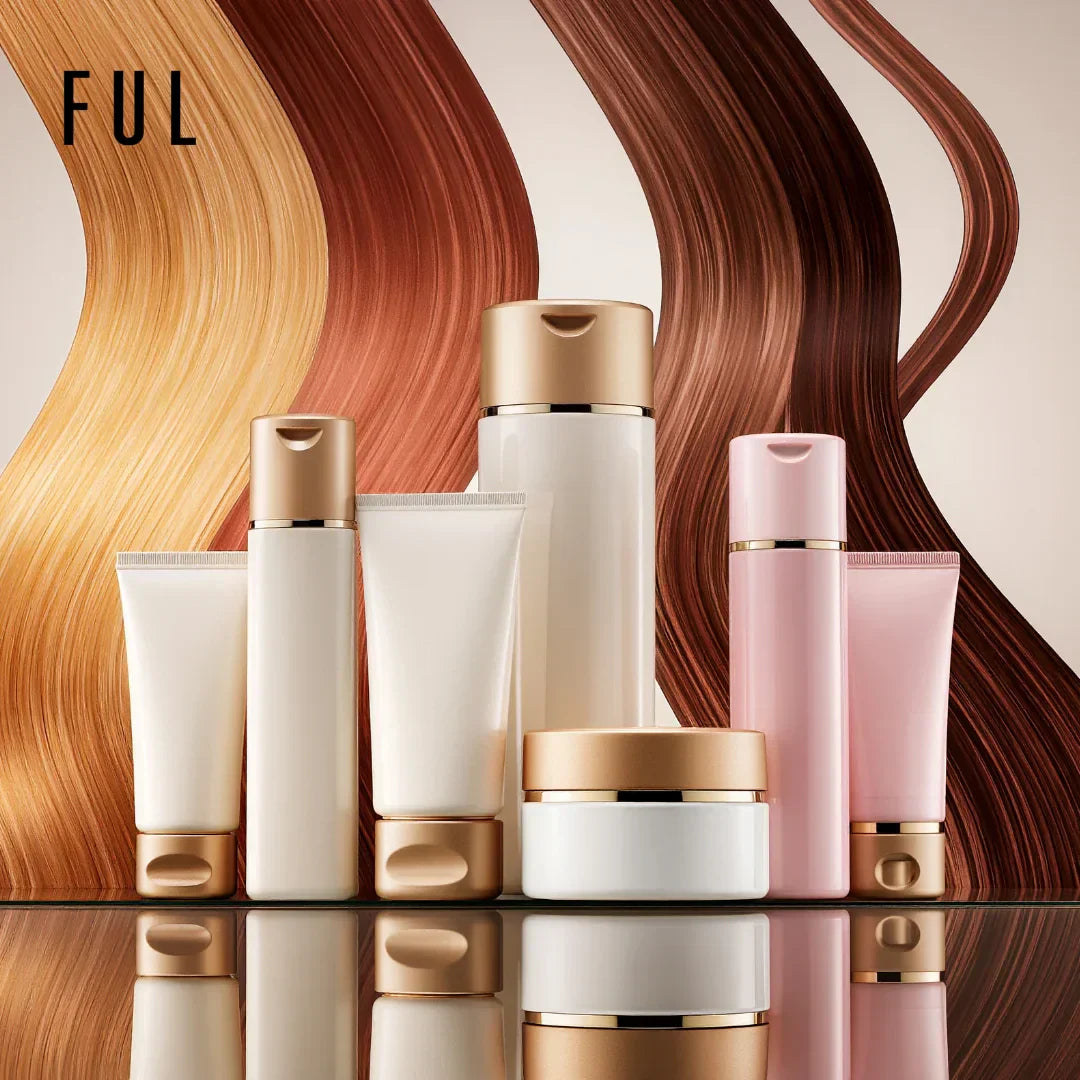
Hair product labels provide vital information, including the ingredient list, usage directions, warnings, and certifications, all of which are essential for making informed decisions about your hair care. Ingredients are listed in descending order of concentration, highlighting key components such as moisturising agents, proteins, and cleansing agents. By understanding these ingredients, you can select hair products that cater to your hair’s specific needs, whether for hydration, strength, or repair.
Certifications like "organic" or "cruelty-free" further reassure you about the product’s quality, safety, and ethical standards. Additionally, decoding hair product labels helps you avoid harmful ingredients such as sulfates, parabens, and silicones, which can cause long-term damage to your hair and scalp. For instance, sulfates can strip natural oils, leading to dryness, while parabens are linked to hormonal disruption. By learning to read and interpret hair product labels, you can confidently choose products that align with your hair type and health goals, ensuring healthier hair and better protection.
What Are Hair Product Labels?
Hair product labels are a form of packaging that provides essential details about the product, including the brand name, usage instructions, and ingredient list, which are arranged in descending order of quantity. It also highlights other important details like net weight, manufacturer information, certifications that indicate the product’s quality, safety, purpose, and warnings. These labels are critical for consumers, as they help make informed decisions about whether a product is suitable for their hair.
INCI Names and Ingredient Order
The ingredient list on hair product labels follows a standardised system called the International Nomenclature of Cosmetic Ingredients (INCI). This system ensures that common ingredients, which you may recognise, are listed with their scientific names on the label, with the common name in brackets for clarity. This standardisation helps consumers easily identify and understand the components in any product, regardless of where it is purchased.
Ingredients are listed in descending order of concentration, with those making up more than 1% of the product shown in their exact order. For ingredients that make up less than 1%, their placement can vary, which sometimes distracts from the presence of questionable or potentially harmful substances. This structure helps consumers understand what makes up the majority of the formula and identify key ingredients that may benefit or irritate their hair and scalp.
Why Is It Important to Understand Hair Product Labels?
Understanding hair product labels is important to choose the right product that is safe and perfect for your hair type and requirements. Many hair care products contain ingredients that could be harmful over time, such as sulfates, parabens, and synthetic fragrances. These unregulated chemicals can cause skin irritation, allergic reactions, or even disrupt your hormones. By knowing how to read and interpret labels, you can avoid these risks and choose products that promote healthy hair without causing harm.
Health and Safety Concerns
When it comes to hair care, product labels can inform you about potential health risks associated with harmful ingredients. Common ingredients like parabens, sulfates, and formaldehyde-releasing preservatives are often used to prolong shelf life or enhance product performance, but can pose significant health risks. Parabens, for example, are linked to hormonal disruption, while sulfates can strip hair of its natural oils, leading to dryness and irritation. Understanding the ingredients on a label helps you make better choices for your hair and scalp, ensuring that your products are not only effective but safe.
Matching Products to Your Hair Needs
Different hair types require different formulations and hair products to achieve the best results. For example, someone with curly hair may need products with rich moisturising ingredients like shea butter or argan oil, while fine hair benefits from lightweight formulations that will not weigh it down. Identifying ingredients such as aloe vera or keratin can help match the product to your unique hair type, ensuring that you get the nourishment and care. Additionally, concerns like hair frizz, heat damage, or colour-treated hair should also influence your product selection. If you are looking for volume, lightweight proteins and moisturisers are key, while for colour protection, look for UV filters or antioxidants.
Avoiding Marketing Traps
While many hair care products are marketed with appealing claims like “all-natural,” “chemical-free,” or “hypoallergenic,” it is essential to approach these labels with caution. Terms like “natural” are unregulated, meaning products labelled as such may still contain synthetic chemicals or preservatives that could irritate your scalp or hair. Understanding how to read and interpret the actual ingredient list allows you to look beyond misleading marketing language and make more informed decisions. By focusing on the ingredients rather than the marketing buzzwords, you can avoid being misled and choose hair products that truly meet your hair care needs.
What Do Certification Labels and Seals on Hair Products Mean?
Certification labels and seals on hair products signify that the product has undergone independent, third-party evaluation to ensure it meets defined standards for safety, ethics, or environmental impact beyond simple marketing claims. These seals provide confidence that a hair product has been thoroughly tested or adheres to industry regulations, ensuring it meets high-quality and ethical sourcing standards.
Organic Certifications
Organic certifications guarantee that a product is made from organically sourced ingredients. These certifications assure that the ingredients used in the product were grown without harmful pesticides, synthetic fertilisers, or genetically modified organisms (GMOs). The three major organic certifications to look for in hair products are USDA Organic, COSMOS, and Ecocert. These certifications not only ensure the quality of the ingredients but also promote sustainable and ethical farming practices.
- USDA Organic: This certification ensures that a product contains at least 95% organic ingredients and follows strict agricultural practices that limit the use of synthetic chemicals.
- COSMOS: The COSMOS certification, mainly used in Europe, focuses on natural and organic ingredients. It requires a product to contain at least 20% organic ingredients, with an emphasis on environmentally sustainable production.
- Ecocert: Ecocert is an international certification body that verifies products meet organic standards and are produced in an environmentally responsible manner. Products certified by Ecocert must contain a significant proportion of organic ingredients and adhere to specific environmental guidelines.
Cruelty-Free and Vegan Labels
Cruelty-free and Vegan labels are widely recognised among consumers who are committed to ethical shopping. Both labels give consumers the confidence that their hair product purchases align with their ethical and animal welfare standards. While these labels both support animal welfare, they have distinct meanings:
- Cruelty-Free: This label indicates that the product has not been tested on animals at any stage of its development or production. Certification bodies like Leaping Bunny (Cruelty Free International) and PETA “Beauty Without Bunnies” ensure that the brand is cruelty-free and does not engage in animal testing practices.
- Vegan: A Vegan label offered by bodies like The Vegan Society and Vegan Action signifies that the product does not contain any animal-derived ingredients such as keratin, beeswax, or collagen. These ingredients are often used in hair care, but their use is avoided in vegan-certified products to ensure no animal by-products are involved.
"Clean Beauty" and "Natural" Claims
Terms like "clean beauty" and "natural" are often used to market hair care products, but it is important to recognise that these terms lack formal regulation. Understanding the lack of regulation behind these claims helps you make more informed decisions, ensuring you are not misled by marketing language.
- Clean Beauty: Clean beauty typically refers to products that avoid ingredients considered harmful, such as sulfates, parabens, and phthalates. However, the lack of a standardised definition means that brands may use this label without meeting specific criteria. It is crucial to always check the ingredient list to verify what the product actually contains.
- Natural: "Natural" labels are often used to imply that a product is free from synthetic chemicals, but this is misleading, as many natural products still contain synthetic ingredients. There is no formal certification backing up the term "natural," which makes it important for consumers to carefully review the ingredient list before making a purchase.
Specialty Hair Type Labels
Specialty hair type labels are specifically designed to address the unique needs of different hair types, providing targeted solutions for individuals with particular hair care concerns. Labels such as "Curly Girl Method Approved" and "Afro Hair Formulated" ensure that the products are carefully suited to specific hair textures and requirements.
- Curly Girl Method Approved: Products with this label follow the Curly Girl Method, which excludes sulfates, silicones, and drying alcohols. Instead, they focus on ingredients that define curls, hydrate, and control frizz. This label is ideal for those with curly hair who want to nourish curls without weighing them down. For frizzy hair, sulfate-free products to control frizz are particularly beneficial as they help maintain moisture while keeping hair soft and defined.
- Afro Hair Formulated: These products are specially created for Afro-textured hair, designed to address the unique needs of this hair type. They prioritise moisture retention, prevent breakage, and promote curl definition to protect and enhance the natural texture of Afro hair.
Dermatologist/Trichologist Tested Claims
When a product is labelled as dermatologist-tested or trichologist-tested, it means it has been evaluated by professionals to ensure it is safe for the skin or scalp. Both of these tests add an extra layer of assurance, ensuring that the product is not only safe but beneficial for your scalp and hair health.
- Dermatologist-Tested: A dermatologist-tested label means that the product has undergone clinical evaluation by a dermatologist to ensure it is safe for use on the skin, especially for individuals with sensitive skin or those prone to allergic reactions.
- Trichologist-Tested: Trichologist-tested products are evaluated by hair and scalp specialists, also known as trichologists, to ensure they promote healthy hair growth and address specific scalp issues such as dandruff, dryness, or excess oil production.
Hypoallergenic and Fragrance-Free Designations
For individuals with sensitive skin or scalp issues, hypoallergenic and fragrance-free designations are important as they are less likely to cause allergic reactions. Additionally, both labels provide reassurance for consumers seeking gentle, non-irritating products for sensitive skin and scalp conditions.
- Hypoallergenic: A hypoallergenic label indicates that the product has been specially formulated to minimise allergens and is less likely to cause allergic reactions for most users. It means that the product has been tested to ensure it is safe for sensitive skin.
- Fragrance-Free: Products labelled as fragrance-free do not contain added perfumes or fragrances, which are common irritants for people with sensitive skin. These products are ideal for those who experience scalp irritation or allergic reactions due to fragrances.
Which Key Ingredients Should You Know on Hair Product Labels?
To understand and select a safe and effective hair care product, you should always look for ingredients like moisturisers, cleaning agents (surfactants), natural oils, and protein. Noting these ingredients will help you identify which hair products best meet your hair care needs.
Water (Aqua)
Water is the primary solvent in most hair care products, acting as the base for other ingredients. It helps hydrate both the hair and scalp, ensuring better distribution of active ingredients throughout the product. Water-based formulas spread easily, improving the texture and overall effectiveness of the product. It is common in many formulations, including creams, lotions, and shampoos, as it provides the desired consistency for these products.
Surfactants (Cleansing Agents)
Cleansing agents, also known as surfactants, are responsible for removing oils, dirt, and impurities from the hair. They work by lowering the surface tension of water, allowing it to interact more effectively with oils and dirt. While Sodium Lauryl Sulfate (SLS) is a common surfactant, it can be harsh on hair, stripping it of natural oils. Milder alternatives like Decyl Glucoside or Cocamidopropyl Betaine are better suited for sensitive or dry hair, providing a gentler cleanse.
Oils and Emollients
Used to hydrate and improve hair texture, oils and emollients are essential in moisturising dry hair and reducing frizz. Coconut oil, argan oil, and jojoba oil are some of the most popular choices for nourishing the hair, adding shine, and protecting it from environmental damage. While heavier oils, like coconut oil, are excellent for dry or curly hair, they may be too intense for fine hair, which benefits more from lightweight oils that offer subtle hydration.
Proteins and Strengtheners
Proteins play a vital role in repairing and strengthening hair, particularly for those with damaged or brittle strands. Keratin, collagen, and silk proteins help restore the natural structure of the hair and prevent further breakage. Hydrolysed proteins, which are broken into smaller molecules, penetrate the hair shaft more effectively, providing deep repair. However, overuse of protein-based products can cause protein overload, leading to brittle or stiff hair, so balance is key when using these ingredients.
Preservatives
Preservatives are necessary to extend the shelf life of hair care products and protect them from bacterial, fungal, or mould contamination. Common preservatives like parabens, phenoxyethanol, and sodium benzoate help keep products safe for prolonged use. While preservatives are essential, some, like parabens, have raised health concerns, prompting many brands to use paraben-free alternatives such as ethylhexylglycerin, which are considered more skin-friendly.
Fragrances and Essential Oils
Fragrances are included in hair products to enhance their sensory appeal, but essential oils are often used not only for scent but for their therapeutic benefits. Synthetic fragrances can irritate, especially for those with sensitive skin, while essential oils like lavender and peppermint offer soothing, anti-inflammatory, and antimicrobial properties. Whether you choose synthetic fragrances or natural essential oils depends on your preferences and sensitivities, as both types provide different benefits.
How Can You Read Hair Product Labels Effectively?
To read hair product labels effectively, it is important to understand the key information presented on the packaging, including ingredients, directions for use, and certifications like cruelty-free, vegan, or organic. Reading labels thoughtfully ensures that you are making informed choices based on your hair type, concerns, and ethical preferences.
Common Label Terminology Decoded
To make better choices, it is crucial to understand common terminology found on hair product labels. Terms like “fragrance-free” and “hypoallergenic” can be confusing if not properly understood. Fragrance-free means no added perfumes, while hypoallergenic suggests the product is less likely to cause allergic reactions. Decoding these terms helps avoid misunderstandings and allows you to choose products that truly meet your needs.
Here are some common label claims & symbols to understand:
- Paraben-Free: The product contains no parabens, which are commonly used preservatives but can be harmful over time.
- Hypoallergenic: Formulated to be gentler and less irritating, often free of common irritants like fragrances and sulfates. However, this claim is not standardised by regulation, so it may vary by brand.
- Period-After-Opening (POA) Symbol: This symbol looks like an open jar with a number and an "M" (e.g., "12M") and indicates the number of months the product is safe to use after opening.
-
Fragrance-Free: No added fragrances have been included in the product. This is different from "unscented," which might still contain masking agents to neutralise natural scents.
Vegan: The product contains no animal-derived ingredients, such as keratin, beeswax, or honey. - Cruelty-Free: The product and its ingredients were not tested on animals. Look for official certifications like the Leaping Bunny or PETA logos for assurance.
- Non-Comedogenic: The product has been formulated to not clog pores, which is particularly important for individuals with oily scalps or acne-prone skin.
Step-by-Step Label Reading Process
Reading a hair product label starts by thoroughly looking at the ingredient lists, followed by active ingredients, and checking for any warnings. For more details, here is a step-by-step process you can follow:
Step 1: Read the Ingredient List
Start by reading the ingredient list from top to bottom. The first few ingredients make up the majority of the product, so pay special attention to them. These are the active ingredients that will have the most significant effect on your hair.
Step 2: Identify Active Ingredients
Look for active ingredients such as proteins or oils that align with your hair needs. For instance, keratin strengthens damaged hair, while argan oil provides hydration for dry strands.
Step 3: Check for Warnings or Precautions
Always check for any warnings or precautions, such as “for external use only” or allergen information. This is particularly important if you have sensitive skin or allergies, ensuring the product is safe for use on your scalp.
Red Flags and Warning Signs
While hair products are meant to help hair problems, certain products will likely contain red flags and warning signs like harsh chemicals, preservatives, and unnecessary fragrances that affect your hair and scalp. Here are some warning signs to look out for:
- Harsh Chemicals: Ingredients like sulfates and parabens can strip hair of natural oils, leading to dryness and irritation. These chemicals are best avoided, especially for sensitive scalps.
- Fragrances: Synthetic fragrances can irritate, particularly for individuals with sensitive skin or scalp conditions. Look for products labelled as "fragrance-free" or "unscented" to avoid this potential irritant.
- Artificial Preservatives: Formaldehyde-releasing preservatives (like DMDM Hydantoin) can cause skin irritation or allergic reactions over time. It is wise to opt for products with natural preservatives or those clearly labelled as preservative-free.
- Chemical-Sounding Ingredients: Avoid products with long ingredient lists full of unknown or chemical-sounding terms. These can sometimes indicate a lack of transparency or the use of unnecessary additives.
What Ingredients Should You Avoid on Hair Product Labels?
You should avoid sulfates, parabens, phthalates, and silicones, as they can strip your hair’s natural oils, cause dryness, or lead to buildup. Harsh alcohols like isopropyl and SD alcohol can dry out your hair, making it brittle and prone to breakage. By steering clear of these ingredients, you help protect your hair from damage and irritation, ensuring it stays healthy and nourished.
Sulphates
Found in many shampoos, sulfates are powerful cleansing agents that remove oils and dirt from hair. However, they can also strip away natural oils, causing dryness and irritation. For a gentler cleansing experience, choose products that are sulfate-free, which cleanse effectively without removing your hair's natural moisture.
Parabens
Often used as preservatives in hair care products, parabens help prevent bacterial growth, but they have been linked to hormone disruption and allergic reactions. To avoid potential health risks, opt for paraben-free products, ensuring that your hair care routine is safer and free from these harmful chemicals.
Silicones
Though silicones can provide a smooth and shiny finish to hair, they tend to build up over time, leaving hair feeling weighed down and greasy. They also block moisture from penetrating the hair shaft, leading to dryness. Choosing silicone-free products can help maintain the natural texture and health of your hair without the risk of buildup.
Phthalates
Phthalates are commonly used in fragrances but have been associated with hormone disruption and health concerns. These chemicals are often hidden under the term “fragrance” on labels. To avoid these risks, choose phthalate-free products, which allow you to enjoy effective hair care while minimising potential harm to your health.
Drying Alcohols
Drying alcohols, like isopropyl alcohol, are used in hair products for their quick-drying effect. However, they can also dehydrate the hair, leading to brittleness and breakage. To protect your hair from damage, avoid products with drying alcohols and look for alternatives that provide moisture and hydration.
Synthetic Fragrances & Colours
Synthetic fragrances and colours are commonly added to hair care products to enhance the scent and appearance, but they can irritate the scalp and cause allergic reactions in sensitive individuals. For a gentler option, choose fragrance-free or naturally-scented products using essential oils to avoid potential irritation while still enjoying a pleasant scent.
What is the Difference Between Natural and Synthetic Ingredients in Hair Products?
The main difference between natural and synthetic ingredients in hair products is their origin. Natural ingredients are sourced from plants, minerals and are often valued for their gentle, nourishing properties. In contrast, synthetic ingredients are man-made in laboratories and can offer stability, effectiveness, and a longer shelf life.
Differences Between Natural Ingredients and Synthetic Ingredients In Hair Products
|
Feature |
Natural Ingredients |
Synthetic Ingredients |
|
Origin |
Derived from plants, minerals, or animals |
Man-made in laboratories using chemicals |
|
Known for |
Gentleness and nourishment |
Stability and effectiveness |
|
Ideal for |
Hydration, scalp health |
Specific results like stronger treatments |
|
Shelf life |
May require preservation or added stabilisers |
Longer shelf life, more potent effects |
|
Examples |
Aloe Vera, Argan Oil, Shea Butter |
Phenoxyethanol, Sodium Lauryl Sulfate |
How Can You Match Ingredients to Your Hair Type?
Choosing the right hair care products starts with understanding your hair type, whether curly, colour-treated, fine, or oily/dry, as different hair textures require different moisture level ingredients. Therefore, identifying your hair type will guide you toward products that hydrate, strengthen, or add volume, helping to address common concerns such as dryness, frizz, or thinning.
Curly Hair
Curly hair tends to be drier and more prone to frizz due to its natural shape, which makes it harder for oils to travel down the strands. To maintain healthy curls, it is important to learn how to take care of curly hair and use products with nourishing ingredients like Shea butter, coconut oil, and glycerin. These ingredients help hydrate and define curls, while hydrolysed silk or keratin proteins strengthen the hair and prevent breakage. Avoid products with sulfates and alcohol-based ingredients, which can strip moisture. For the best results, always choose a trusted brand with a transparent label in its curly hair products to ensure you are making the right choices for your curls.
Colour-Treated Hair
Compared to other types of hair, colour-treated hair is more fragile and porous, making it highly prone to dryness and damage due to chemicals. Therefore, effective care must prioritise deep moisture retention and structural repair. The best products contain strengthening proteins like hydrolysed keratin, silk, and collagen to actively fortify the hair fibre. Essential moisturising agents like argan oil, aloe vera, and Vitamin E, supplemented by nourishing ingredients such as biotin, squalane, hyaluronic acid, and coconut oil, provide vital hydration. These ingredients lock in pigment while smoothing the cuticle to reflect shine and softness. Therefore, choose colour hair maintenance products with anti-fade technology and strictly avoid stripping agents such as alcohols, sulphates, and harsh detergents to prevent premature colour loss and excessive dryness.
Fine or Thin Hair
This type of hair tends to get weighed down easily, so it is important to select lightweight products that will not make hair appear limp or greasy. Lightweight oils like argan oil and jojoba oil add shine without weighing down fine strands. For strengthening, panthenol and hydrolysed wheat protein are ideal, as they provide support without adding bulk. Avoid heavier ingredients like shea butter and silicones, which can make fine hair appear flat. Choosing lightweight, volume-boosting products will help maintain fullness while keeping hair soft and manageable.
Oily/Dry Hair
Oily hair tends to produce excess sebum, requiring lightweight, oil-controlling ingredients, while dry hair needs more moisture and hydration. For oily hair, oil-controlling agents such as tea tree oil, witch hazel, and salicylic acid (for scalp health) help manage oil production. Look for mild cleansers like decyl glucoside, which are gentle and effective for oily scalps. For dry hair, moisturising agents like shea butter, glycerin, coconut oil, and aloe vera provide deep hydration. Keratin and hydrolysed silk proteins help repair and strengthen dry hair. Properly balancing oil control and moisture is key to keeping both hair types healthy and well-maintained.
What Are the Best Practices for Choosing Hair Products?
The best practices for choosing hair products include using tools to decode hair products efficiently and designing a personalised checklist that perfectly aligns with your hair’s unique type and specific concerns. Each of these steps helps you to make smarter choices that promote healthier, more vibrant hair.
Tools and Services to Decode Labels
To help decode hair product labels and understand their ingredients, there are several tools and apps, like INCI decoder, that can provide valuable insights. These tools are great for verifying ingredient safety and ensuring the products you choose align with your hair care and health goals. To use them effectively, you can scan product barcodes or manually search for specific ingredients to see their safety ratings.
- INCI Decoder: A tool that allows you to check the ingredients in beauty products. Simply enter the product name or scan the barcode to get a detailed breakdown of each ingredient’s purpose and safety rating.
- EWG’s Skin Deep: This database rates the safety of ingredients in personal care products, helping you make informed decisions based on their potential risks to health.
- Think Dirty: An app that allows you to scan barcodes of products and get a toxicity rating based on the ingredients used. It provides transparency on the safety of various beauty products.
Creating Your Personal Ingredient Checklist
Making informed choices when selecting hair care products begins with understanding your hair's unique needs and carefully evaluating the ingredients in the products you choose. By creating a personal ingredient checklist, you can ensure that the products you use are well-suited to your hair type and health goals. Follow these actionable steps to build your personalised approach to hair care:
- Identify Your Hair Needs: Determine your hair’s unique needs, such as moisture, strength, or volume. This will guide you in selecting products that target your specific concerns.
- Learn How to Read Labels: Understand how to read the ingredient list and spot harmful chemicals like sulfates, parabens, and silicones. Focus on the first five ingredients, as these make up the majority of the product.
- Choose Products Based on Hair Type and Ingredient List: Select products that cater to your hair type, curly, fine, colour-treated, etc. Make sure the ingredients match your hair’s needs, like moisturising agents for dry hair or proteins for damaged hair.
- Use Online Tools to Verify Ingredients: Tools like INCI Decoder and Think Dirty help you verify the safety and effectiveness of ingredients in the hair products you choose. These resources make it easier to make safe, informed decisions.
FAQ
What are white label hair products?
White label hair products are generic, pre-made products manufactured by one company and rebranded by another, such as salons or retailers, under their own brand name. The formulation and ingredients remain the same; only the packaging and branding differ.
What are private label hair products?
Private label hair products are custom-formulated products created exclusively for one brand. Unlike white label hair products, private label hair products often involve some customisation, where a brand works with a manufacturer to create a formula specifically for their product line.
Does white/private labelling affect ingredient quality?
No, white or private labelling does not inherently affect the quality of the ingredients. The quality is primarily determined by the manufacturer's standards and practices. It is important to always review the ingredient list and certifications to ensure the product meets your quality expectations, regardless of its labelling.
How can I tell if a product is white or private label?
You can distinguish between white and private label products by looking at their level of customisation and exclusivity. Private label products are specifically created for a single retailer with unique features, whereas white label products are generic, mass-produced items that are rebranded by multiple retailers.
What's the difference between "natural" and "organic"?
"Natural" is an unregulated marketing term with no legal definition, meaning it can vary widely in meaning. "Organic," on the other hand, requires third-party certification and adherence to specific standards, which ensure the product meets established organic farming practices.
How do I know if an ingredient is safe for my scalp?
To assess ingredient safety, it is important to understand your scalp type (dry, oily, sensitive, or combination). Use resources like EWG's Skin Deep database or ingredient-checking tools to verify the safety of ingredients. Dermatologist-tested products are generally safer, but always verify based on your specific scalp needs.
Can I trust "dermatologist-tested" claims?
"Dermatologist-tested" means the product has been evaluated by a dermatologist to check for skin irritation or allergies. However, it does not guarantee that the product is safe for all skin types or scalp conditions. It is important to consider your own skin or scalp sensitivities before trusting these claims fully.