
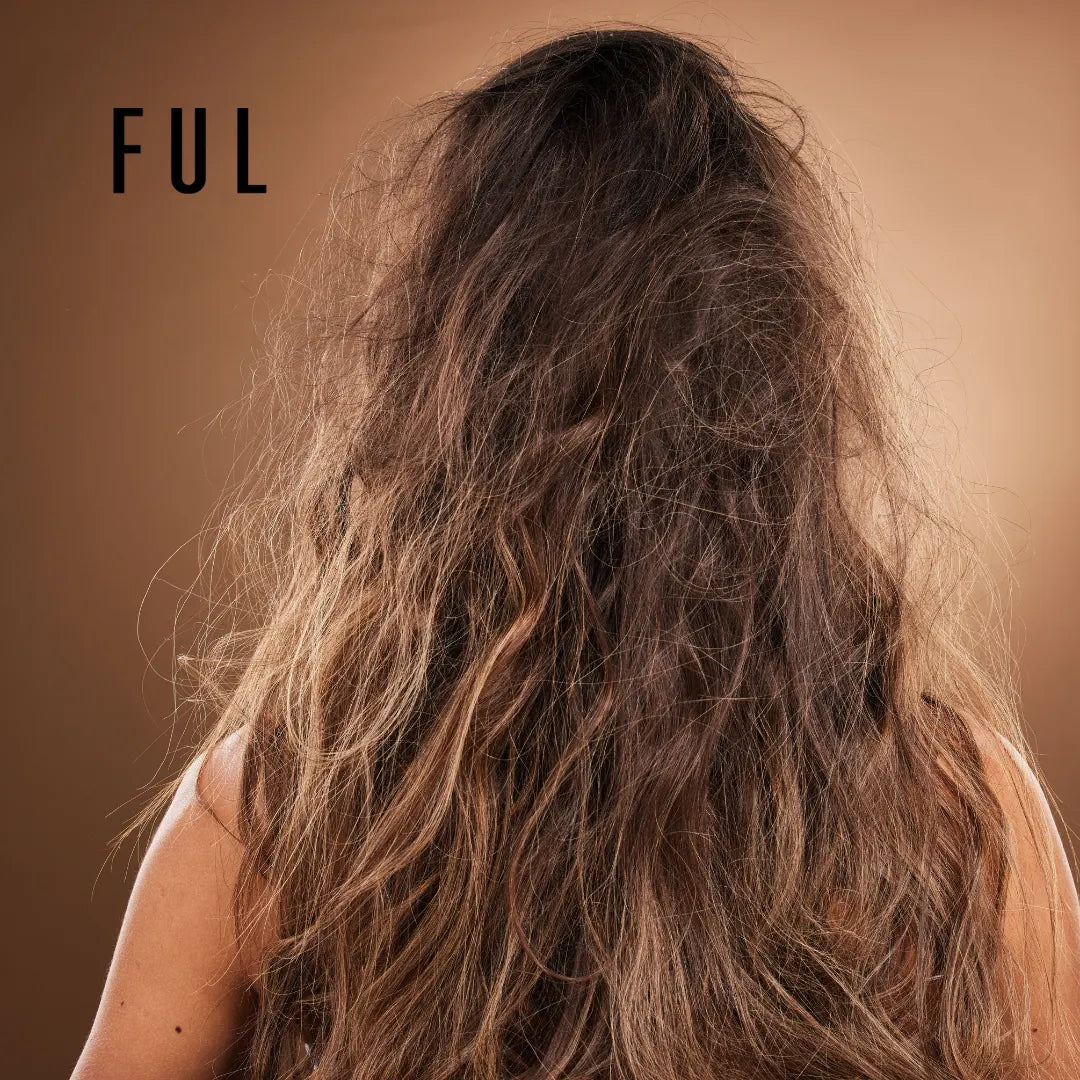
To effectively treat frizzy hair, focus on hair hydration, maintain moisture balance, and avoid products that strip the hair of its natural oils. Additionally, gentle drying techniques, such as air-drying, microfiber towels, or cotton t-shirts, can reduce frizz, while over-styling or excessive heat can worsen the problem. Incorporating humidity-blocking hair products into your routine will help protect your hair against moisture from the air, keeping it smooth and manageable. Frizzy, unruly hair is a common challenge, especially in humid or dry environments, and understanding ways to counter it is crucial to achieving smooth, manageable hair. From identifying the key frizz causes, like hair porosity and environmental conditions, to implementing the right treatment method and products, this guide will provide effective methods for keeping frizzy hair under control and restoring shine and smoothness to your hair.
What Are the Causes of Frizzy Hair?
Lack of hair moisture, washing habits, environmental factors like pollution, and genetics are the primary causes of frizzy hair. Each of these elements plays a significant role in creating unruly, frizzy hair that many people struggle with. Understanding these causes is essential for effectively managing and treating hair frizz. Here are common causes of frizzy hair:
- Genetics:Naturally curly or wavy hair is more prone to frizz due to the twists in the hair shaft, which disrupt moisture distribution. Straight hair can also frizz in humid conditions when moisture lifts the cuticle, causing the hair to swell.
- Humidity: High humidity causes hair to absorb excess moisture, which swells the cuticle and leads to hair frizz. Hair with higher porosity absorbs more moisture, making frizz more prominent in humid environments.
- Lack of Moisture: Dry hair lacks hydration, causing the cuticle to lift and create an uneven texture. This leads to hair frizz, as dry hair is more brittle and prone to damage.
- Environmental Factors: Exposure to heat, cold, pollution, and UV rays strips hair of its natural oils, weakening the hair shaft and making it more susceptible to frizz. Pollution can also coat hair, contributing to dryness and frizz.
- Over-Washing: Frequent washing strips hair of its natural oils, which are essential for hydration and smoothness. This results in dryness, making hair more prone to frizz and disrupting the moisture balance.
- Using Hot Water: Hot water opens the cuticle, stripping moisture and leaving hair dry and frizzy. It weakens the hair's protective barrier, making it more vulnerable to frizz and environmental damage.
- Rough Towel-Drying: Rubbing hair with a towel creates friction, damaging the cuticle and causing hair frizz and breakage. The rough texture tangles and breaks hair, resulting in an uneven surface and more frizz.
- Heat Styling: Overusing heat tools like blow dryers, flat irons, and curling irons strips hair of moisture. The repeated heat damage weakens hair fibres, making hair more fragile and prone to frizz.
- Brushing: The force of brushing stretches the hair, leading to frizz and uneven texture, as it lifts the cuticle and causes further damage.
How to Combat Frizz with a Hair Care Routine?
To combat frizz, focus on a hair care routine that emphasises hydration, gentle handling, and moisture retention. Use treatment methods like sulfate-free shampoos, moisturising shampoos and conditioners, apply leave-in treatments to damp hair, and rinse with cool water to seal the cuticle and lock in moisture. Here is how to combat frizz effectively:
- Sulfate-Free Shampoos: Switch to sulfate-free shampoos that contain hydrating ingredients like glycerin or aloe vera. These products cleanse gently without stripping the hair's natural oils, allowing the hair to retain ideal moisture and resist frizz.
- Moisturising Conditioners: Conditioning helps seal moisture into the hair shaft, keeping it hydrated and smooth. Use a rich, moisturising conditioner like all rounder conditioner from FUL London’s frizz control collection to lock in moisture and prevent frizz.
- Limit Shampooing: Aim to wash your hair just 2–3 times a week to maintain its natural oil balance. Over-shampooing strips these natural oils, which leads directly to dryness and increased frizz.
- Moisture Hair Masks: Using moisture hair masks provides deep hydration and nourishment to dry, frizzy hair. They help restore moisture balance, improve hair texture, and prevent further frizz.
Why Is Moisture Balance Key to Preventing Frizz?
Moisture balance is essential for preventing hair frizz because it helps maintain the integrity of the hair's structure by providing moisture in the hair shaft. When hair is properly hydrated, the cuticle (the outermost layer of the hair shaft) stays smooth and closed, locking in moisture and preventing frizz. Without adequate moisture, the cuticle lifts, causing uneven texture, dryness, and frizz. The right moisture level keeps hair hydrated, elastic, and smooth, making it more resistant to environmental stressors like humidity.
Why Hydration Matters for Frizzy Hair?
Hydration is a key factor in preventing frizz because it directly impacts the hair cuticle, the outer layer of the hair shaft. When hair is properly hydrated, moisture helps seal the cuticle, keeping it smooth and flat. This prevents moisture imbalance, where excess moisture from the environment can enter and swell the cuticle, or moisture loss can leave the hair dry and frizzy. Hydrated hair also improves hair shine, elasticity, and strength, making it more resilient to breakage and less prone to frizz. To maintain hydration, consider using leave-in conditioners, hair oils, and hydrating serums. Products containing ingredients like glycerin, aloe vera, and hyaluronic acid are excellent for sealing moisture into the hair and maintaining a smooth surface. For example, a moisturising leave-in conditioner can provide lasting hydration throughout the day, while oils like argan or jojoba help lock in moisture and add shine.
Hydrating Products vs. Natural Remedies
Hydrating products offer a quick and targeted frizz solution through formulated ingredients, whereas natural remedies provide a customizable approach using pure oils and nutrients for gradual nourishment. While both hydrating products and natural remedies are effective for frizzy hair, the choice depends on hair type, personal preference, and desired results.
| Aspect | Hydrating Products | Natural Remedies |
|---|---|---|
| Formulation | Pre-formulated with specific ingredients for hair hydration | Made from natural oils and ingredients |
| Ease of Use | Easy to apply, quick results | May require more effort to prepare (e.g., DIY masks) |
| Hydration Speed | Immediate hydration | Gradual hydration over time |
| Ingredients | Glycerin, aloe vera, hyaluronic acid, etc. | Coconut oil, honey, avocado, etc. |
| Effectiveness | Quick and consistent results | Varies based on hair type; may take longer to see results |
| Customisation | Limited customisation, standard formulas | Highly customizable depending on personal preferences |
Tailoring Moisture to Your Hair Porosity
Hair porosity refers to how well your hair absorbs and retains moisture, which depends on the structure of the hair cuticle. Understanding your hair’s porosity is key to choosing the right moisture products and preventing frizz. There are three main porosity types, each requiring different product types for high/low porosity hair:
- Low Porosity Hair: The cuticle is tightly closed, which makes it difficult for moisture to penetrate. For this type, use lightweight, water-based products like glycerin or aloe vera to hydrate without weighing hair down.
- Normal Porosity Hair: This type absorbs and retains moisture efficiently. You can use a range of moisturisers, from light leave-in conditioners to richer oils like argan oil, depending on your needs.
- High Porosity Hair: The cuticle is open, allowing moisture to escape quickly. To lock in moisture, use heavier oils and butters such as shea butter or coconut oil. These products seal the cuticle and help prevent moisture loss.
To identify your hair porosity, perform a simple water test by placing a few strands of hair in a glass of water. If it sinks quickly, your hair has high porosity; if it floats or sinks slowly, it has low or normal porosity. Tailoring your moisture routine with the appropriate product types for high/low porosity ensures your hair remains hydrated and frizz-free.
What Are the Best Styling and Drying Techniques to Minimise Frizz?
The best styling and drying techniques to minimise frizz involve using a microfiber towel for gentle drying, heating at an optimal temperature and styling according to hair type. Proper drying and styling can help keep the hair smooth, defined, and frizz-free.
The Right Way to Dry Frizzy Hair
To dry frizzy hair, use gentle techniques like blotting with a microfiber towel, air-drying, or using a blow dryer with a diffuser to reduce frizz and maintain moisture. Avoid rubbing the hair with a towel, as this creates friction and causes the cuticle to lift, leading to more frizz. Here are some drying methods you can try:
- Air-Drying Tips: Gently blot your hair with a microfiber towel to absorb excess water. Avoid rubbing, as this creates friction and leads to frizz. For curly hair, scrunch your curls with the towel to enhance shape.
- Microfiber Towels vs. Cotton: Microfiber towels reduce friction, which helps prevent frizz. Unlike cotton towels, they absorb moisture quickly without roughing up the hair cuticle.
- Diffuser Technique for Curls: When using a blow dryer with a diffuser, set it to low heat. Gently place the diffuser at the roots and lift the hair as you dry. This method defines curls without causing frizz. Avoid touching or shaking the hair too much while drying.
Heat Styling Without Adding Frizz
For frizz-free heat styling, it is important to reduce heat exposure, use proper techniques and tools, and apply heat protectant and anti-frizz products. Frizz typically occurs when the hair cuticle is raised, a condition that damaged or dry hair is more likely to experience. Here is how to use heat styling tools while keeping frizz at bay:
- Heat Protectants: Always apply a heat protectant before using flat irons, curling irons, or blow dryers. This forms a barrier to prevent moisture loss and minimise heat damage.
- Temperature Guidelines: For optimal heat styling, use lower temperatures for fine hair and higher temperatures for thick or coarse hair. Fine hair should be styled at 250-300°F (121-149°C), medium hair at 300-350°F (149-177°C), and thick or coarse hair at 350-400°F (177-204°C).
Daily Styling Tips by Hair Type
Different hair types, whether straight or curly, require tailored care to minimise frizz. By adjusting your styling and drying techniques to suit your hair type, you can effectively reduce frizz and achieve smooth, manageable hair. Here are some specific styling tips for each hair type:
- Straight Hair: Use light serums or smoothing creams to combat frizz caused by humidity or dryness. Apply a small amount of serum and smooth through the hair for a polished look.
- Wavy Hair: To define waves without frizz, use styling gels or creams that enhance texture. Avoid brushing, as it can disrupt the waves and lead to frizz. Instead, use a wide-tooth comb to detangle wet hair.
- Curly Hair: Curly hair tends to frizz more easily, so use curl creams or leave-in conditioners to define curls. Dry with a diffuser to maintain curl shape while reducing frizz. Avoid touching curls while drying.
- Coily Hair: Coily hair needs extra moisture and care. Use rich oils, butters, and leave-in conditioners to keep coils hydrated and defined. Protective styles like braids or twists help minimise frizz and keep hair healthy.
What Are the Best Products for Controlling Frizzy Hair?
A comprehensive strategy for managing frizzy hair relies on specialised products, including anti-frizz shampoos, conditioners, serums, oils, and deep-conditioning hair masks. These products are highly effective because they target the common causes of frizz, such as dryness and damage, by actively hydrating, smoothing the cuticle, and sealing moisture into the hair shaft. When selecting frizz control products, always look for nourishing, high-performance ingredients like hyaluronic acid, amino acids, and squalane to maximise hydration and protective benefits.
Anti-Frizz Shampoos & Conditioners
Using anti-frizz shampoos and conditioners is essential for managing frizzy hair as they hydrate, smooth the cuticle, and reduce puffiness of hair. Among different types of anti-frizz shampoos, sulfate-free shampoos are especially beneficial, as they preserve the natural oils that help keep hair hydrated and smooth. A moisturising conditioner will lock in moisture, soften the hair, and help keep frizz at bay. For a well-rounded shampoo, consider our all-rounder shampoo that deeply hydrates, controls frizz, strengthens strands, and delivers that coveted salon-smooth finish.
Hair Serums & Oils
Designed for intensive finishing and protection, hair serums & oils are ideal for sealing the cuticle and locking in moisture to prevent frizz. Serums smooth the hair, add shine, and reduce flyaways without weighing it down. Hair oils, especially those with ingredients like argan or coconut oil, deeply nourish and seal moisture into the hair shaft, making them particularly effective for dry or curly hair. To control frizzy hair, consider using a hyaluronic hair serum as it delivers deep hydration, controls frizz, smooths flyaways, and supports scalp health, all without leaving hair greasy or weighed down.
Weekly Hair Masks
Hair masks are essential for managing frizzy hair, as they provide deep conditioning and restore moisture. Using a moisturising mask once a week helps replenish hydration lost from heat styling, over-washing, or environmental factors. These masks lock in moisture, smooth the hair, and reduce frizz. For a deeply hydrating hair mask option, our intense moisture hair mask can be your ideal choice. It works to nourish and restore moisture balance, leaving hair smoother and more manageable. Regular use can help address dryness and improve overall hair texture while keeping frizz at bay.
Natural Remedies
If you prefer natural remedies for frizzy hair, ingredients like aloe vera, coconut oil, and honey can be incredibly effective. Aloe vera is known for its hydrating and smoothing properties, while coconut oil deeply nourishes and seals moisture into the hair, reducing frizz. You can easily create a natural deep-conditioning mask by mixing coconut oil and honey, which will hydrate, restore shine, and tame frizz. These natural ingredients are rich in vitamins and minerals that improve hair elasticity and keep frizz under control.
What Protective Measures Can Help Prevent Frizz?
To prevent hair frizz before it starts, incorporate protective measures that shield hair from environmental factors, moisture loss, and mechanical damage. These preventive methods help create a smooth, frizz-free appearance by defending against humidity, heat, and friction. Here are some effective protective measures:
Humidity Defence
To defend against humidity, use anti-frizz serums and sprays designed to create a barrier that locks moisture in and keeps the cuticle smooth. Products with silicone, glycerin, or polyquaternium help prevent the hair from absorbing excess moisture. For best results, apply frizz-blocking products to damp hair before styling. Additionally, using oils to lock in moisture can keep hair hydrated and smooth, while lightweight products are ideal for humid climates to avoid weighing the hair down.
Overnight Protection (Silk Pillowcases, Bonnets)
Silk pillowcases and satin bonnets offer superior overnight protection by significantly reducing the friction between your hair and the fabric. Silk's inherently smooth texture prevents the hair cuticle from lifting and becoming rough or frizzy, ensuring your strands stay smooth and manageable. For those who need maximum protection, wearing a satin or silk bonnet or scarf further helps maintain your hairstyle overnight and guarantees minimal frizz the following morning.
Using Diffusers for Curly Hair
Using a diffuser when drying curly hair helps maintain natural curl shape while reducing frizz. The diffuser spreads the air more evenly, allowing curls to dry without disturbing their natural pattern. To use a diffuser, attach it to your blow dryer and set it to low heat. Gently place sections of hair into the diffuser and dry without moving it around too much to avoid frizz. This technique reduces the impact of direct heat and helps preserve curl definition, leaving your hair smooth and frizz-free.
Avoid Over-Brushing
Brushing your hair too often can cause friction, leading to frizz, especially in curly or wavy hair. Brushing dry hair can stretch and break the strands, which causes the cuticle to lift and create frizz. Instead, use a wide-tooth comb or your fingers to detangle wet hair. When brushing is necessary, do so gently and avoid over-brushing, as this can disrupt your hair’s natural texture and create frizz.
Use the Right Tools
For frizz control, choose brushes and combs that are designed to minimise damage and distribute natural oils evenly. Ceramic brushes with ionic technology are ideal for smoothing hair while reducing frizz during blow-drying. For wet hair, use a wide-tooth comb to prevent breakage and minimise frizz. Selecting the right tools for your hair type and styling routine can help protect against frizz and keep your hair smooth and healthy.
What Common Mistakes Should I Avoid in Frizz Management?
Using styling tools, products from unreliable brands, and exposing hair to heat without protection are some of the common mistakes to avoid in hair frizz management. All these mistakes can exacerbate frizz and cause long-term damage to your hair.
Overusing Styling Tools
Excessive use of heat styling tools, such as flat irons, curling irons, and blow dryers, can damage the hair cuticle and lead to frizz. Constant heat exposure strips hair of its natural moisture, causing it to become dry, brittle, and prone to frizz. Therefore, always use styling tools on the lowest heat setting and apply a heat protectant to shield your hair. Limit the use of heat styling tools to prevent long-term damage and frizz.
Using Harsh Products
Harsh shampoos and styling products, especially those containing sulfates or alcohol, can strip your hair of its natural oils, which are essential for maintaining moisture and smoothness. This dryness can lead to frizz. Instead, choose gentle, moisturising products formulated specifically for frizzy hair. Opt for sulfate-free shampoos and alcohol-free styling gels to keep your hair hydrated and frizz-free.
Skipping Heat Protection
Failing to use heat protectants when styling with hot tools is a major mistake that can worsen frizz. Heat damages the hair cuticle, causing it to lift and allowing moisture to escape, which results in frizz. Always apply a heat protectant spray, serum, or cream before using any styling tools to shield your hair from heat damage and maintain a smooth, frizz-free appearance.
What Is the Best Action Plan for Frizz-Free Hair?
Achieving frizz-free hair requires a two-pronged strategy: "establishing a solid hair care routine focused on hydration and gentle handling, and adopting proper styling techniques". This combined approach focuses on protecting the hair cuticle and maintaining proper moisture balance. By following these steps with consistency, you can keep your hair smooth, shiny, and manageable.
1. Essential Hair Care Routine
- Cleanse Gently: Start by using sulfate-free shampoos and moisturising conditioners. This hydrates the hair without stripping essential natural oils.
- Deep Condition Weekly: Incorporate deep conditioning masks at least once a week to restore intensive moisture and nourishment to dry strands.
- Maintain Hydration: Use leave-in conditioners, serums, or oils regularly to seal the hair cuticle and lock in hydration throughout the day.
- Tailor the Routine: Adjust your moisture products and application methods based on your hair's porosity for the most effective results.
2. Smart Styling Techniques
- Limit Heat: Avoid excessive heat styling (flat irons, curling irons) and always apply a heat protectant before using any hot tools.
- Diffuse Curls: If you have curly hair, use a diffuser attachment when blow-drying to enhance definition and volume without disrupting the curl pattern and causing frizz.
- Minimise Friction: Choose the right tools, such as wide-tooth combs or wet brushes, to gently detangle and style, minimising friction and subsequent breakage.
- Overnight Protection: Sleep on a silk or satin pillowcase (or wear a bonnet) to reduce friction while you sleep.
FAQ
Can Frizzy Hair Be Fixed Permanently?
Frizzy hair cannot be permanently fixed, but it can be managed effectively with the right hair care routine and products. Consistent hydration, proper moisture balance, and the use of anti-frizz products will help reduce frizz over time and maintain smoother hair.
How Does Hair Type (Straight, Wavy, Curly) Affect Frizz?
Hair type plays a significant role in frizz, as straight hair can become frizzy due to humidity or dryness, while wavy and curly hair are more prone to frizz because the twists in the hair shaft make it harder to distribute moisture evenly. Curly hair, in particular, tends to frizz due to its structure and the difficulty in retaining moisture.
How Do I Know If I Have High-Porosity Hair?
To know if you have high-porosity hair, you can observe how quickly your hair absorbs moisture, how fast it dries, and how easily it tends to frizz. For quick confirmation, try placing a strand in a glass of water. If the strand sinks quickly, you have high-porosity hair, meaning it absorbs and loses moisture quickly.
Is Frizz Only Caused by Humidity, or Can Dry and Cold Climates Contribute Too?
While humidity is a major contributor to frizz, dry and cold climates can also play a role. In dry climates, hair can lose moisture, leading to dryness and frizz. Cold weather can cause the hair cuticle to lift, which can also result in frizz, especially when the hair is exposed to indoor heating.
How to Eliminate Frizz in Curly Hair?
To eliminate frizz in curly hair, use hydrating products like leave-in conditioners, curl creams, and oils that provide moisture and define curls. Avoid over-brushing and let your curls air-dry or use a diffuser on a low heat setting. Regular deep conditioning treatments can also help restore moisture and reduce frizz in curly hair.